JewelGlossary™ — Jewellery Terms, Explained
Every word you'll meet on a JewelHub™ listing, explained in plain English — from 316L steel and gold plating to paperclip chains, lobster clasps and UK ring sizes. 106 terms, each shown on real pieces you can tap to shop.
📐 Charts & printables
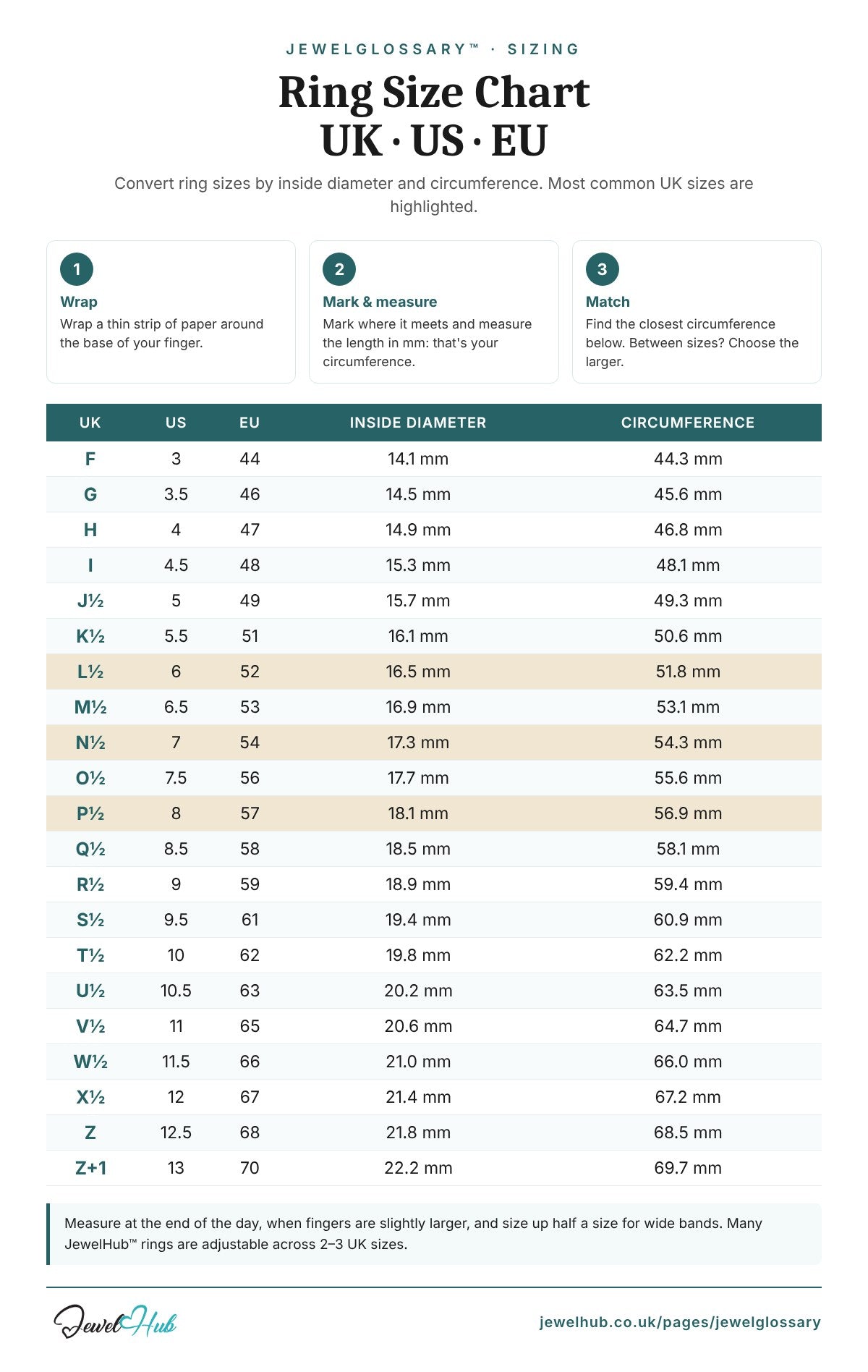
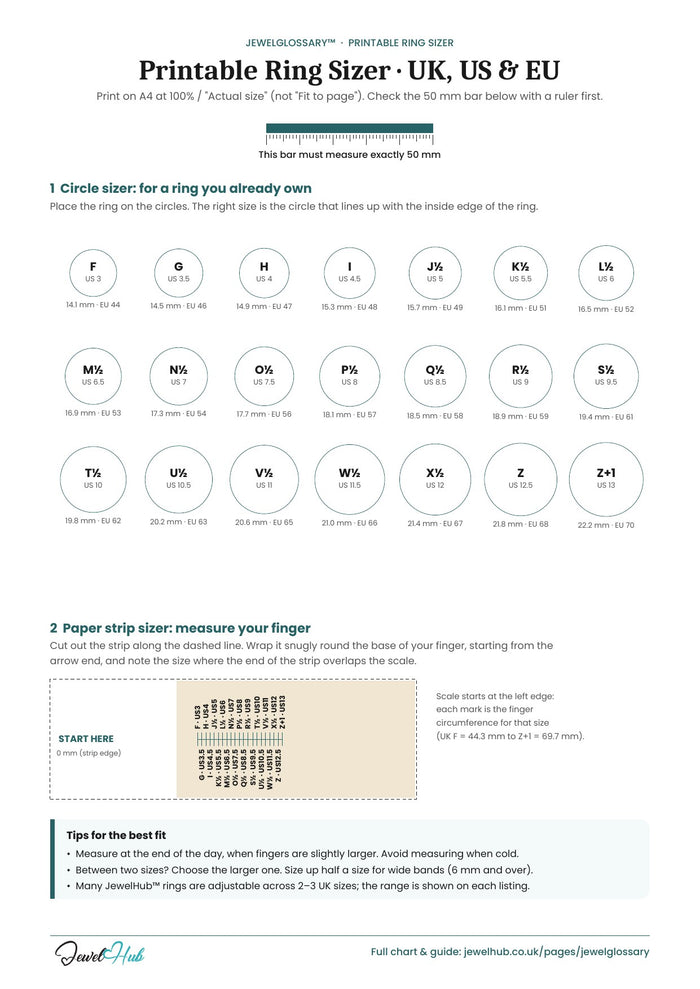
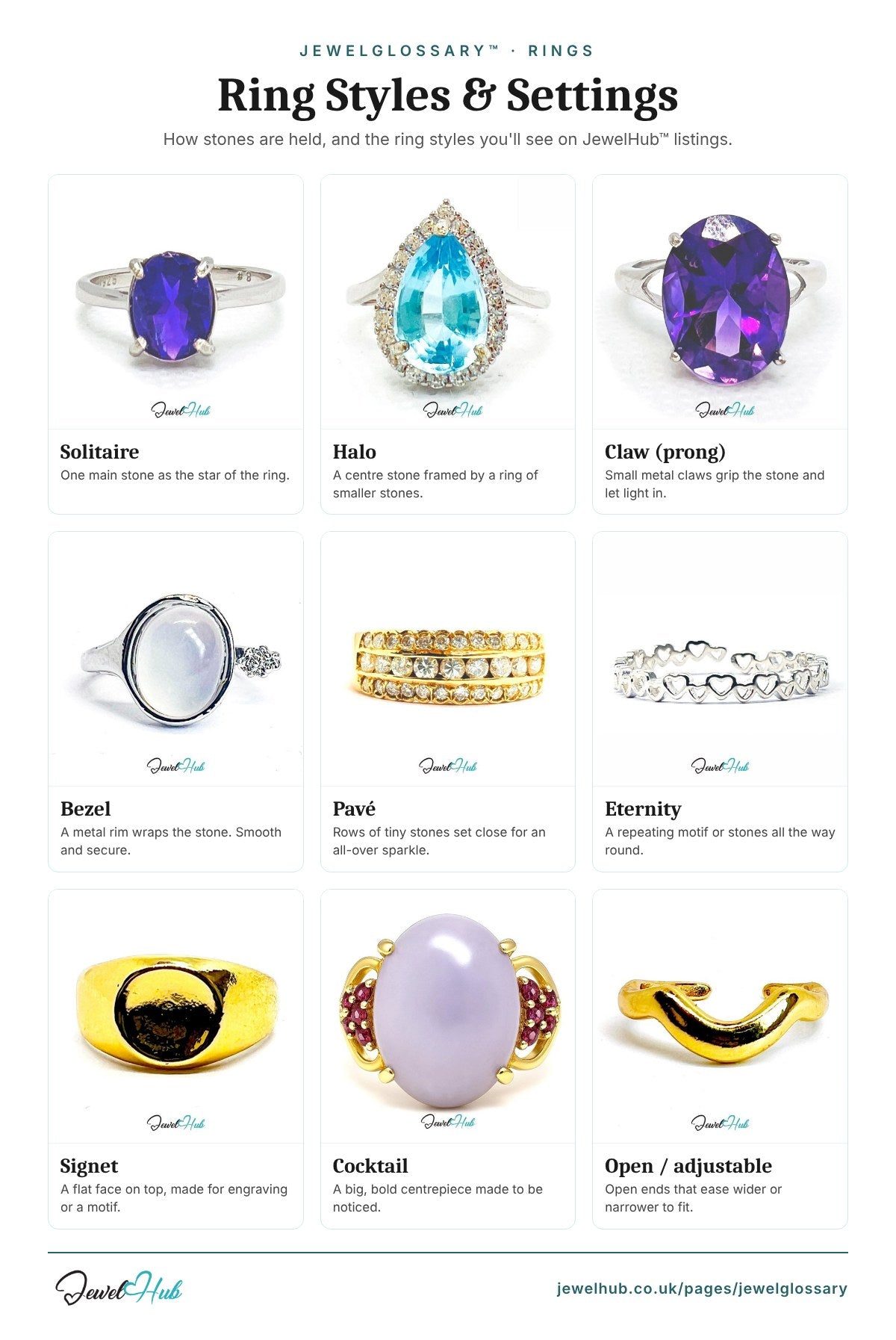
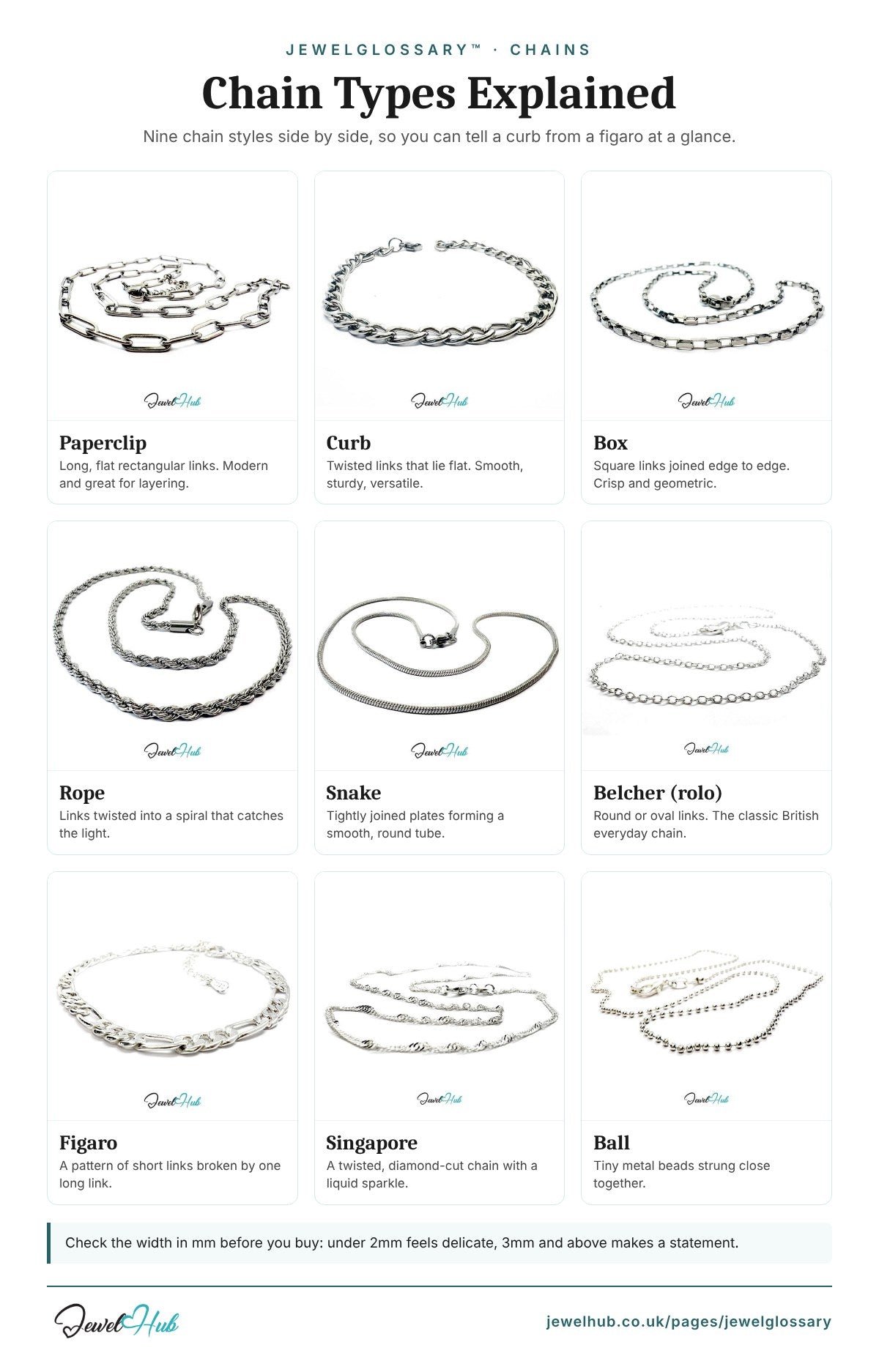
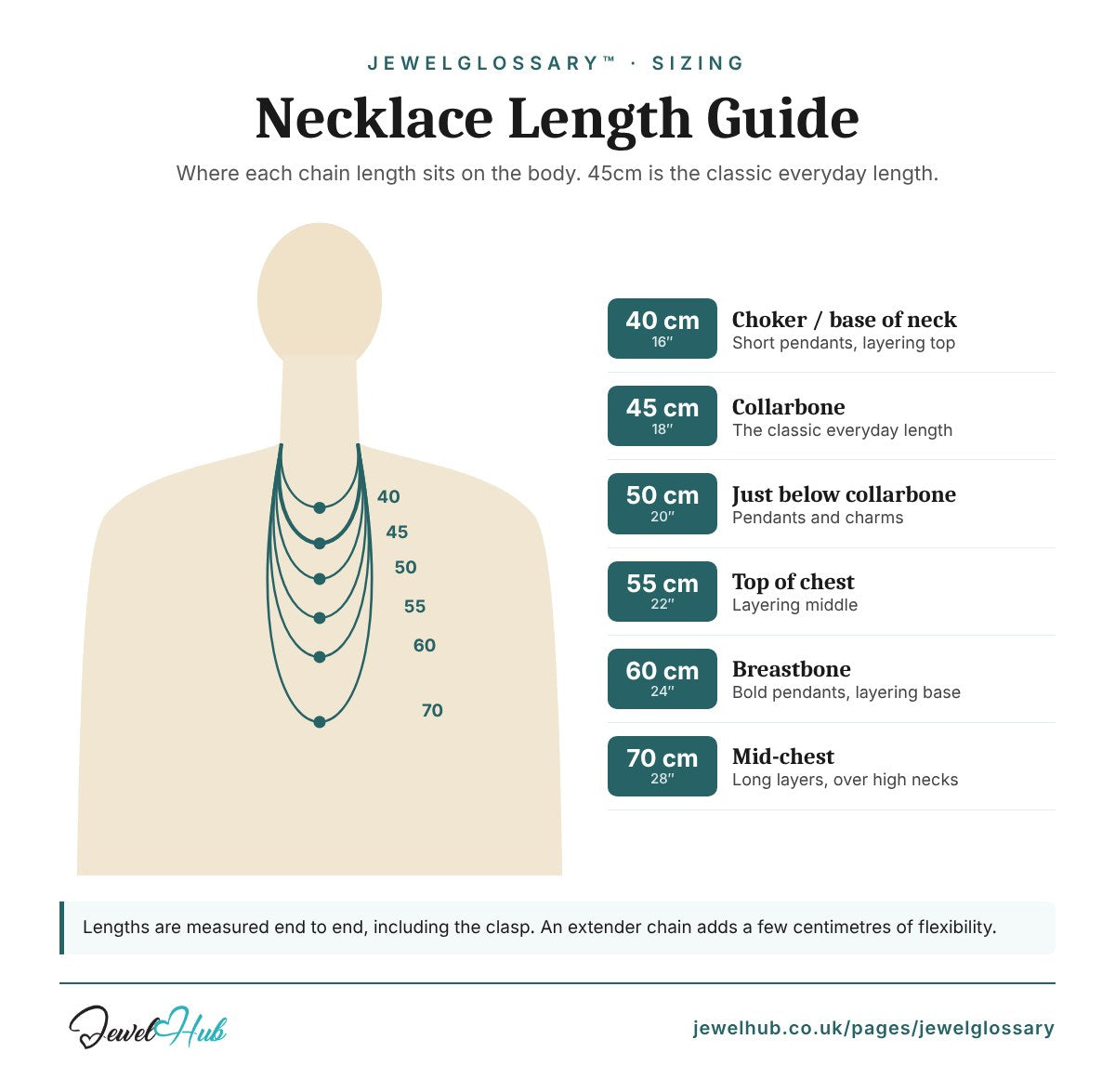
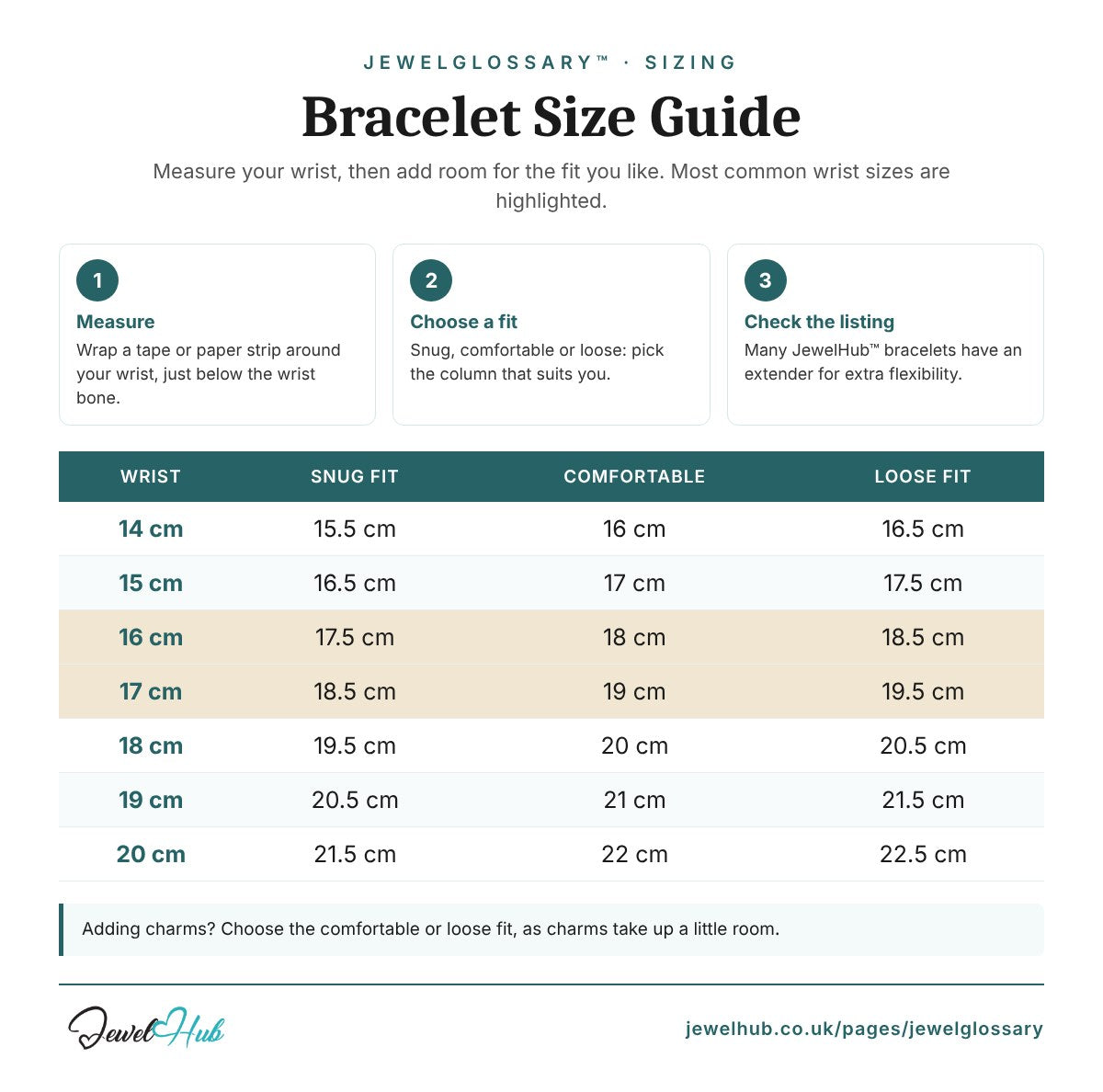
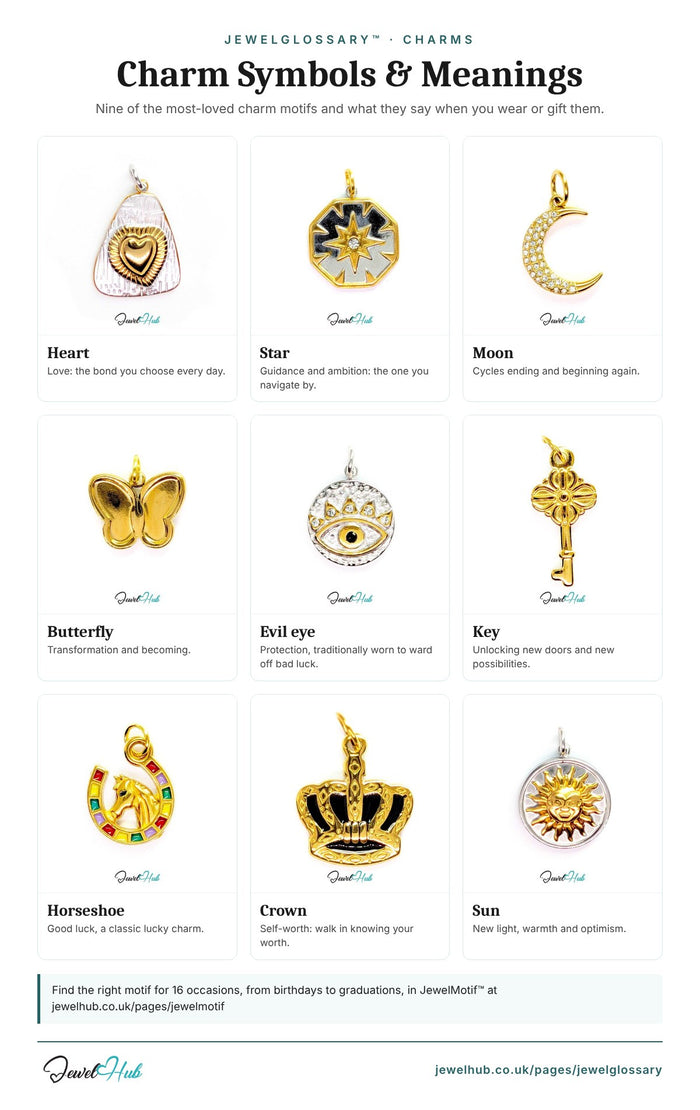
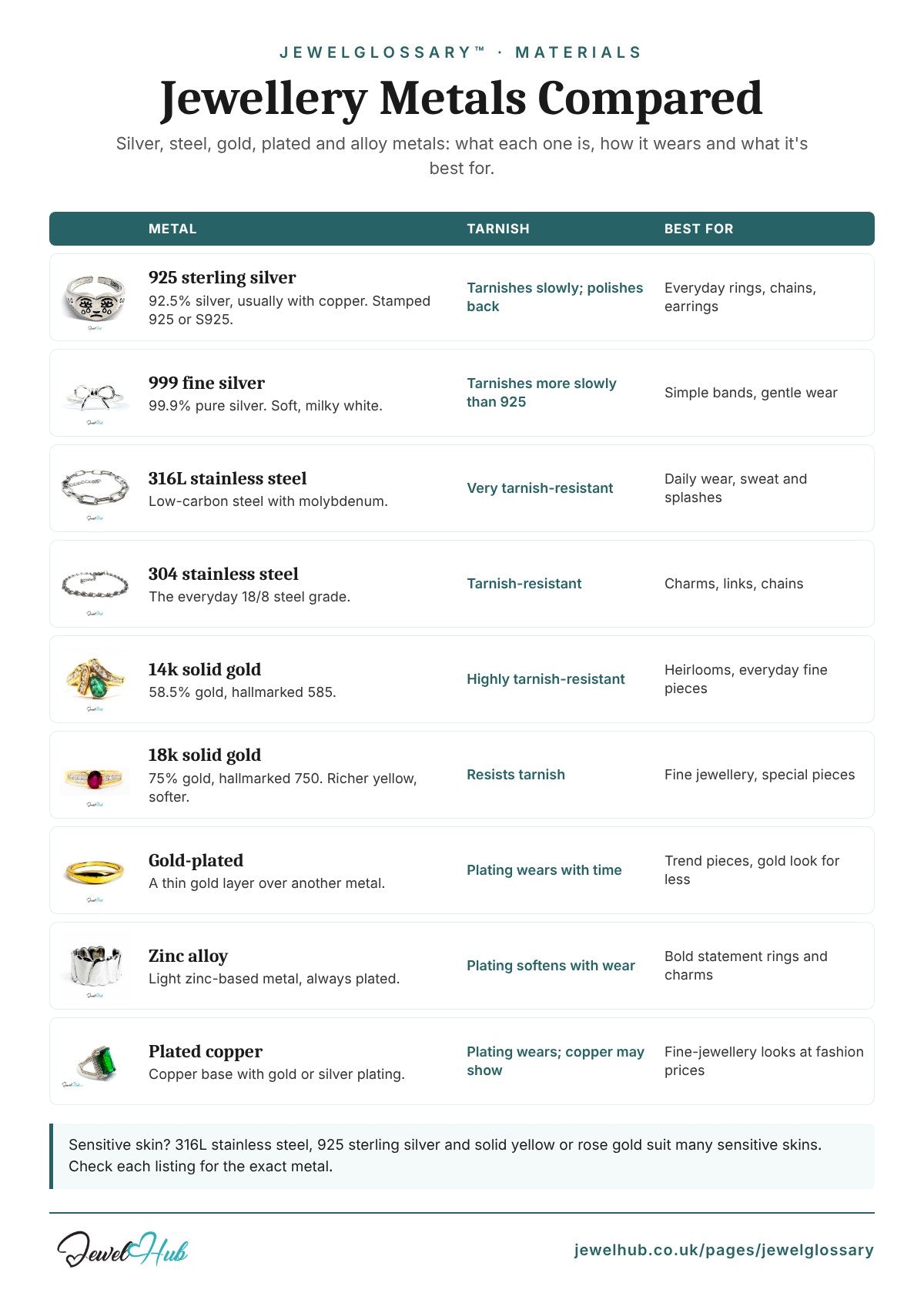
Size guides and comparison charts to save, pin or print. Tap any chart to open it full size. The charm chart opens JewelMotif™, our full guide to symbol meanings.
❓ Quick answers
How do I measure my ring size at home?
Wrap a thin strip of paper around the base of your finger, mark where it meets, measure the length in millimetres and divide by 3.14 to get the inside diameter. As a guide, UK L½ is about 16.5mm, UK N½ about 17.3mm and UK P½ about 18.1mm. Measure at the end of the day and size up for wide bands. Many JewelHub™ rings are adjustable and list their UK size range on the listing.
Is stainless steel jewellery waterproof?
Stainless steel, especially 316L, copes well with everyday water, rain and sweat and is very unlikely to rust or discolour. It isn't designed for long soaks, though: take it off before swimming in chlorinated or salt water, rinse it in fresh water if it gets wet and dry it with a soft cloth.
What is the difference between 316L and 304 stainless steel?
Both are durable, bright stainless steels. 316L adds molybdenum, which gives extra resistance to sweat, salt and moisture, so it is the better choice for rings and bracelets worn every day. 304, often called 18/8 steel, is the everyday workhorse grade and is slightly less resistant to salt and chlorine.
Will gold-plated jewellery tarnish or fade?
Gold plating is a thin surface layer, so it gradually wears with friction, perfume, lotions and water, first on the high points and inside rings. Plating over stainless steel or silver ages more gracefully than over softer base metals. Keep pieces dry, take rings off for handwashing and store them apart to make the colour last.
What is the difference between 925 sterling silver and 999 fine silver?
925 sterling silver is 92.5% silver mixed with other metal, usually copper, which makes it strong enough for everyday rings and chains, but it tarnishes over time. 999 fine silver is 99.9% pure, with a softer, milky white colour; it tarnishes more slowly but bends and marks more easily.
Is zinc alloy jewellery good for sensitive skin?
Zinc alloy pieces are almost always plated, so what touches your skin is the plating, and that wears with time. If you know you react to certain metals, check the material on each listing, or choose 316L stainless steel, 925 sterling silver or solid gold, which suit many sensitive skins.
What is the difference between FortunaLink™ and an Italian charm bracelet?
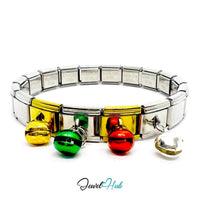
An Italian charm bracelet is made of flat 9mm tiles that snap side by side. FortunaLink™ is JewelHub™'s chain-based system: you start with a base chain and clip MiniCharm™ charms on so they hang from it, then move or swap them without tools.
Does hypoallergenic mean I can't have a reaction?
No. Hypoallergenic means a material is less likely to cause a skin reaction, not that reactions are impossible. Metals that contain or release very little nickel, such as 316L stainless steel, sterling silver and yellow or rose solid gold, are common choices for sensitive skin.
⚙️ Metals & materials
316L stainless steel
What does “316L stainless steel” mean?
Low-carbon surgical-grade steel: tough, bright and very tarnish-resistant.
316L is a low-carbon grade of stainless steel that adds molybdenum to the usual chromium and nickel mix, giving it extra resistance to corrosion from sweat, salt and moisture. In jewellery it looks like polished white metal, holds a mirror shine and takes gold-tone plating well. It suits many sensitive skins because the metal is very stable on the surface. It is heavier and harder than silver, so it rarely bends or scratches deeply. Look for the grade stated in the listing: 316L generally outperforms 304 in damp conditions, which matters for rings and bracelets worn every day.
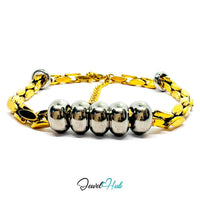
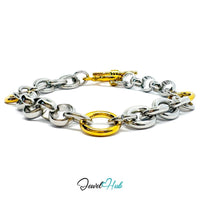
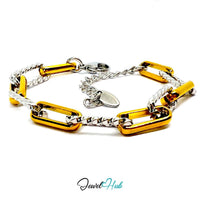
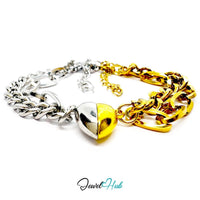
At JewelHub™: Our DuoTone™ bracelets, rings and pendants are largely made from 316L stainless steel, often with gold-plated accents beside the polished silver tone.
304 stainless steel
What does “304 stainless steel” mean?
The everyday workhorse stainless steel: durable, affordable and slow to tarnish.
304 is the most widely used stainless steel, an alloy of iron with roughly 18% chromium and 8% nickel. The chromium forms an invisible protective layer, so 304 resists rust and tarnish in normal daily wear. It looks bright and silvery, is strong enough to keep its shape in thin bands and links, and is often plated in gold tones. It is a little less resistant to salt and chlorine than 316L, so rinse it after swimming and dry it before storing. Cast or worked 304 can show a slight magnetic pull, which is normal and not a sign of a cheaper metal.
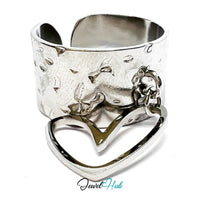
At JewelHub™: Many of our stainless steel charm rings and some Italian charm bracelet links are made from 304 stainless steel, often with 18k gold-tone plating.
Stainless steel
What does “Stainless steel” mean?
Iron-chromium alloy that resists rust and tarnish; ideal for low-maintenance everyday jewellery.
Stainless steel is an iron alloy containing at least 10.5% chromium, which forms a thin self-repairing layer that protects the metal from rust and tarnish. For jewellery it means pieces that stay bright with very little care, are unlikely to mark skin and cope well with daily wear. It is harder and heavier than silver and keeps fine shapes such as charms and chain links crisp. It is often finished in gold, rose gold or black tones by plating or coating. Check the grade (304 or 316L) if you wear pieces in the shower or sea, and wipe dry after water contact.
At JewelHub™: Stainless steel is our most-used metal, forming the base of most of our MiniCharm™ charms, FortunaLink™ base chains, Italian charm links and DuoTone™ pieces.
Titanium steel
What does “Titanium steel” mean?
A light, strong metal; in fashion jewellery 'titanium steel' usually means stainless steel.
Pure titanium is a lightweight, very strong grey metal used in watches, body jewellery and some rings. In fashion jewellery, though, you will often see the phrase 'titanium steel'. This is a market term rather than a metal grade, and it normally describes stainless steel, typically 316L, not titanium. Pieces sold this way look and wear like stainless steel: bright, tarnish-resistant and heavier than true titanium. If you specifically want titanium for its lightness, check that the listing names solid titanium or a titanium grade. Otherwise, treat 'titanium steel' as a stainless steel piece and care for it the same way.
At JewelHub™: Where our listings say 'titanium steel', such as the gold-tone paperclip chains in our MiniCharm™ sets, we explain that it is stainless steel, not solid titanium.
Zinc alloy
What does “Zinc alloy” mean?
Light, castable base metal used for detailed, affordable plated fashion jewellery.
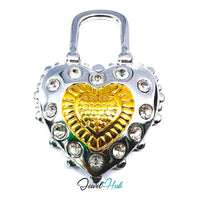
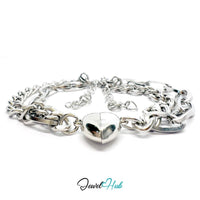
Zinc alloy is a zinc-based metal mixed with small amounts of other metals so it can be cast into fine, detailed shapes at low cost. It is light on the finger, which makes chunky sculptural rings and charm pendants comfortable to wear. Zinc alloy is almost always plated in gold, silver or antique tones, so the colour you see is the finish rather than the base. That plating will soften with time, especially on rings, so keep pieces dry, remove them for washing and exercise, and store them separately. It is ideal for statement looks and trend pieces rather than heirlooms.
At JewelHub™: Our ZincJewel™ rings and many charm bracelets are cast in zinc alloy and finished with gold, silver or antique plating.
925 sterling silver
What does “925 sterling silver” mean?
92.5% pure silver alloyed for strength; the standard for real silver jewellery.
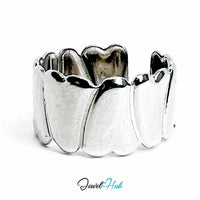
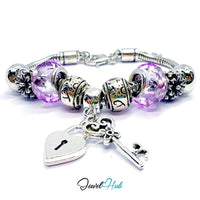
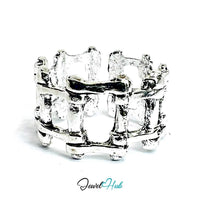
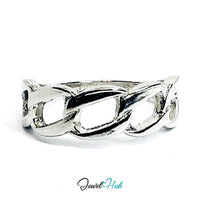
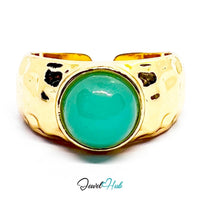
925 sterling silver is 92.5% silver mixed with 7.5% other metal, usually copper, which makes it strong enough for rings, chains and earrings. It is often stamped 925, S925 or Ag925 inside the band or on the clasp. Sterling is bright, cool white and noticeably heavier than look-alike metals. Silver reacts with sulphur in the air, and the copper speeds this up, so it will gradually tarnish to a warm grey or yellowish tone, which is normal and polishes away with a silver cloth. Store it in an airtight pouch, keep it away from perfume and chlorine, and wear it often, as regular wear slows tarnish.
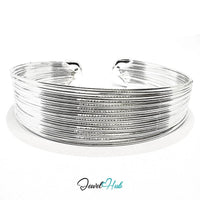
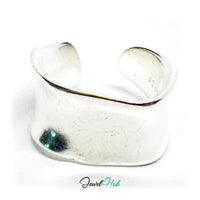
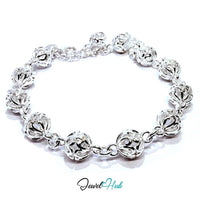
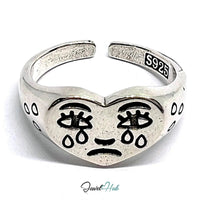
At JewelHub™: Our 925 rings, chains and earrings are solid sterling silver stamped S925, and some are rose gold-plated or finished with oxidised detailing.
999 fine silver
What does “999 fine silver” mean?
Silver at 99.9% purity: softer, whiter and slower to tarnish than sterling.
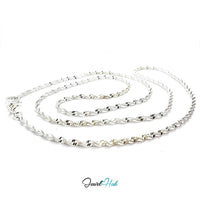
999 fine silver is 99.9% pure silver with almost no copper. That gives it a soft, milky white colour and means it tarnishes more slowly than sterling. The trade-off is softness: fine silver bends and marks more easily, so it suits simple bands, textured designs and adjustable rings worn with a little care. Look for a 999 stamp. Treat it gently, take it off for heavy work or sport, and polish lightly with a soft silver cloth. If you want maximum purity and a gentle glow, it is a lovely choice.
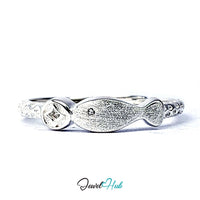
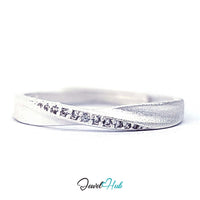
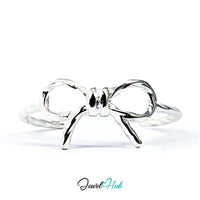
At JewelHub™: Our 999 rings are stamped 足銀 999, and one twist ring is gold-plated over 999 fine silver rather than over sterling.
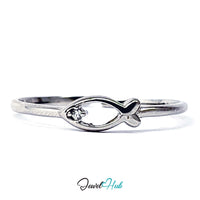
14k gold
What does “14k gold” mean?
58.5% pure gold, hallmarked 585: harder-wearing than 18k with a softer yellow.
14k gold contains 14 parts gold out of 24, or 58.5%, and is hallmarked 585. The remainder is a mix of metals such as copper and silver that adds strength and sets the colour, which is why 14k comes in yellow, white and rose. Because it is harder than higher karats, it suits rings and earrings that carry many small stones or see daily wear. Solid 14k gold is highly tarnish-resistant, though its higher alloy content means it can occasionally dull slightly over time. White 14k gold is usually finished with rhodium for a bright white surface that may need refreshing over the years.
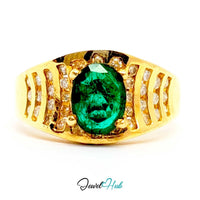
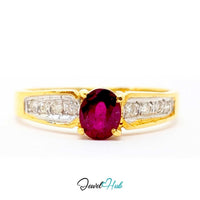
At JewelHub™: Our 14k pieces are solid gold, hallmarked 585, mostly gemstone earrings and rings set with sapphires, rubies, emeralds and diamonds.
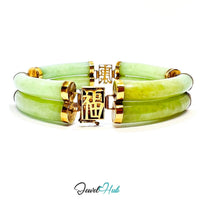
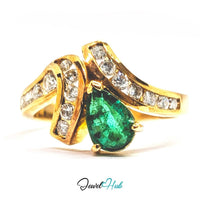
18k gold
What does “18k gold” mean?
75% pure gold, hallmarked 750: richer colour, the classic fine-jewellery standard.
18k gold contains 18 parts gold out of 24, or 75%, and is hallmarked 750. The extra gold gives a deeper, warmer yellow than 14k and a satisfying weight in the hand. The remaining quarter is alloy that adds strength and sets the shade, so 18k can be yellow, white or rose, and is sometimes combined in two-tone designs. It is slightly softer than 14k, so it may show fine scratches over time, which a jeweller can polish. Solid 18k gold resists tarnish in normal wear. White 18k gold is usually rhodium-finished for a brighter white.
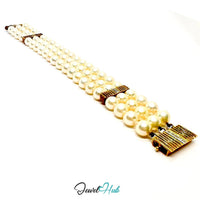
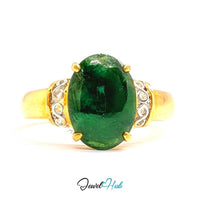
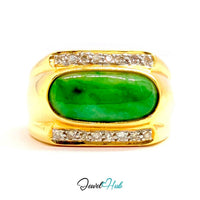
At JewelHub™: Our 18k pieces are solid gold hallmarked 750, including gemstone, jadeite and diamond rings, some in two-tone gold.
Solid gold
What does “Solid gold” mean?
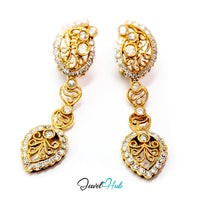
Gold alloy all the way through, never plated; it will not wear off.
Solid gold means the piece is made from a gold alloy throughout, such as 9k, 14k or 18k, rather than a thin layer of gold over another metal. It is hallmarked with its fineness, carries real weight and can be resized, polished and repaired for decades. Its colour runs all the way through, so it will not wear away, and higher karats such as 14k and 18k resist tarnish very well; lower karats like 9k can dull slightly over time. It is a bigger investment than plated or vermeil pieces, so check the karat, hallmark and weight in grams before you buy, as these tell you how much gold you are paying for.
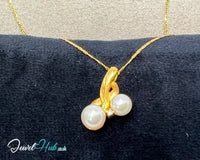
At JewelHub™: Our solid gold pieces are hallmarked 14k or 18k, and each listing gives the gold weight in grams.
Copper
What does “Copper” mean?
Warm reddish metal; a common base for plated jewellery and part of many alloys.
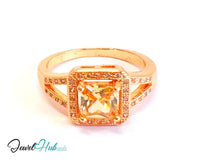
Copper is a soft, warm reddish metal that is easy to cast and shape, so it is a popular base for plated rings set with zirconia and coloured stones. It is also an ingredient in sterling silver, rose gold and brass, where it adds strength and warmth. Bare copper darkens over time and can leave a green mark on skin, which is why copper jewellery is normally plated. Keep plated copper pieces dry, remove them before washing hands, and store them separately to protect the finish.
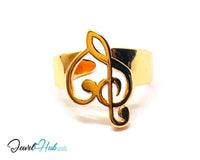
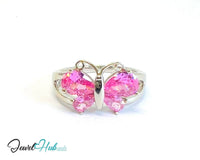
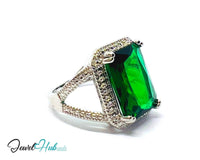
At JewelHub™: Our Premium Copper rings are cast in copper and finished with Gold K or White K plating, often with zirconia and synthetic gems.
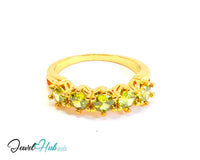
Resin
What does “Resin” mean?
A mouldable material that sets hard, clear or richly coloured.
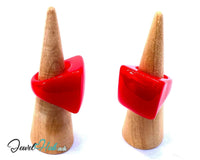
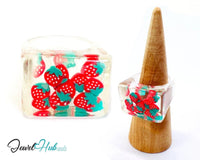
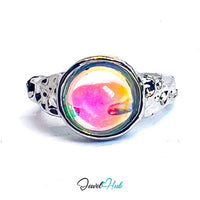
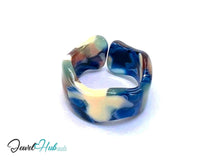
Resin is a liquid polymer that hardens into a solid, glossy material. Jewellery makers cast it in moulds or pour it over a base, and can suspend colour swirls, glitter, flowers or small stones inside, which makes it ideal for bold, playful designs. Resin is lightweight, so even chunky pieces feel comfortable. It is softer than glass or stone, so it can scratch, and strong sunlight or heat may yellow some types over time. Store resin pieces out of direct sun and clean with a damp cloth rather than chemicals.
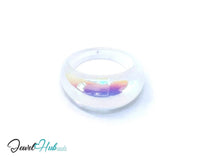
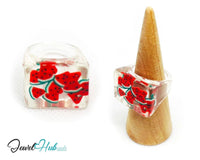
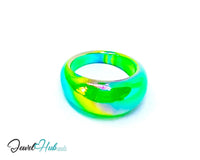
At JewelHub™: JewelHub has a large resin range, including the Giant Series and Big Screen rings in shell, galaxy and gloss designs, plus resin-centred plated copper and zinc alloy rings.
Glass
What does “Glass” mean?
Coloured or clear glass used for beads, stones and whole pieces.
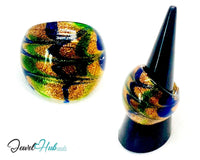
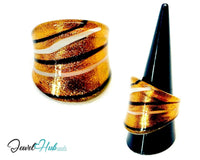
Glass is one of the oldest jewellery materials, used for beads, cabochons, faceted 'crystals' and even entire rings. It takes colour beautifully, from deep transparent tones to swirled and layered patterns, and handmade glass gives each piece slight variations. Glass is harder than resin but can chip or crack if knocked against hard surfaces, so remove glass rings for heavy tasks and store pieces apart. In gemstone descriptions, a 'glassy' look can be a warning sign of imitation, so honest listings name glass when it is used.
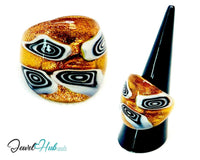
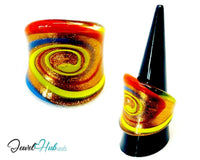
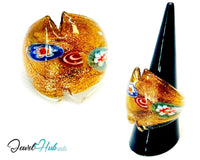
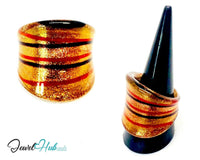
At JewelHub™: JewelHub's Giant Series includes handcrafted glass rings such as GoldSwirl, OceanSpiral and EmberStripe, and its fine-jewellery listings explain how to tell natural stones from glass.
Faux leather
What does “Faux leather” mean?
A soft, leather-look synthetic material: light, colourful and animal-free.
Faux leather, also called PU or vegan leather, is a fabric backing coated with a layer of polyurethane that is embossed to look and feel like real leather. It is lighter and easier to keep clean than leather, and it takes bright colours that leather rarely does. In jewellery it appears on cord necklaces and bracelets, and on travel boxes and display pieces that protect your jewellery. Keep it away from heat, long sun exposure and solvents, wipe it with a damp cloth, and store it loosely so the surface does not crease or crack over time.
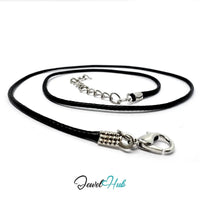
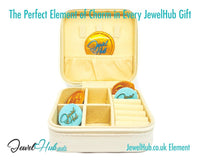
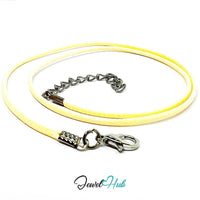
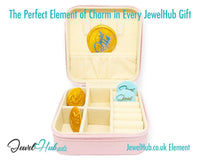
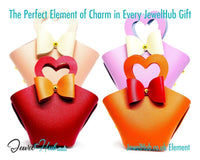
At JewelHub™: Our faux leather range includes cord necklaces built as layering bases, velvet-lined travel jewellery boxes and bowtie display totes, some of which come as a complimentary gift with qualifying orders.
🎨 Plating & colour
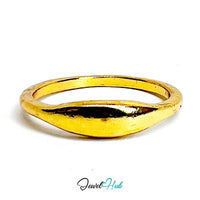
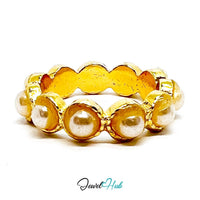
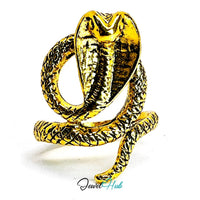
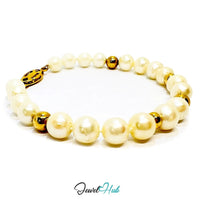
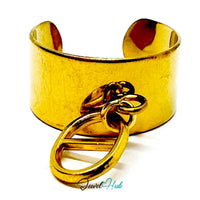
Gold plating
What does “Gold plating” mean?
A thin gold layer bonded over another metal for an affordable gold look.
Gold plating applies a thin layer of gold to a base metal such as stainless steel, brass, copper, zinc alloy or silver, usually by electroplating. It gives the colour of gold at a fraction of the price. Plating is a surface, so it gradually thins with wear, first on high points and the inside of rings. The base metal matters: plating over stainless steel or silver ages more gracefully than over softer base metals. To make it last, avoid perfume, lotions and chlorine, take rings off for handwashing, and store pieces apart.
At JewelHub™: Many of our stainless steel, zinc alloy and copper pieces carry gold plating, and our listings name the base metal underneath.
PVD coating
What does “PVD coating” mean?
A vapour-deposited coating that bonds colour tightly to steel for longer wear.
PVD stands for physical vapour deposition, a vacuum process that bonds a very thin, hard layer of colour, such as gold tone or black, onto a metal surface, most often stainless steel. Compared with traditional electroplating it is generally more resistant to scratches and fading in everyday wear. It still is a surface finish, so heavy abrasion can eventually wear through on edges. Care for PVD pieces like stainless steel: rinse after contact with salt water or chlorine, wipe dry, and avoid abrasive polishes that can dull the coating.
At JewelHub™: We list PVD where the supplier confirms it, as on our 316L stainless steel box-link bracelet with a polished gold PVD finish.
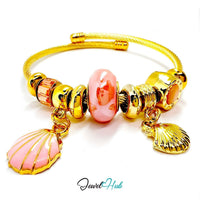
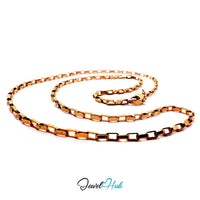
Rose gold
What does “Rose gold” mean?
A pink-toned gold colour, from copper in solid gold or as a plated finish.
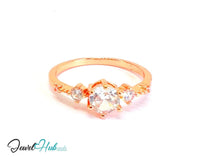
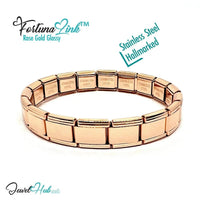
Rose gold is gold with a warm pink colour. In solid gold, the tone comes from a higher share of copper in the alloy. In fashion and silver jewellery, rose gold is usually a plated finish over sterling silver, stainless steel or another base metal. It flatters many skin tones and mixes well with yellow gold and silver. Plated rose gold softens over time like any plating, so keep it away from perfume and water where possible and store it separately.
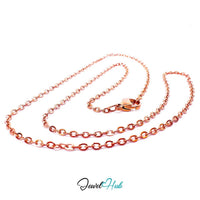
At JewelHub™: Our rose gold pieces include rose gold-plated 925 sterling silver rings, rose gold-tone stainless steel chains and rose gold MiniCharm™ charms.
Rhodium plating
What does “Rhodium plating” mean?
A bright white precious-metal plating used on white gold and silver.
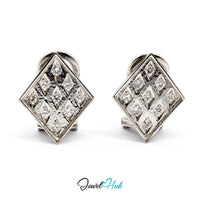
Rhodium is a rare, hard, very white metal in the platinum family. A thin rhodium layer is used to give white gold its bright, cool finish and to make silver more resistant to tarnish. It looks crisp and reflective, and helps diamonds look whiter in their settings. Because it is a surface layer, it wears with time, especially on rings, and the warmer white gold underneath may begin to show. A jeweller can re-plate it every few years to bring back the brightness.
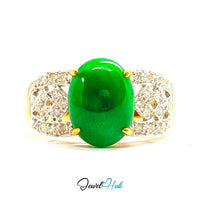
At JewelHub™: We note rhodium on our white gold pieces, such as diamond earrings and the white gold settings on our jadeite rings.
White K plating
What does “White K plating” mean?
A bright silver-white plating that mimics the look of white gold.
White K plating is a fashion-jewellery term for a bright, silvery-white plated finish designed to look like white gold. The 'K' refers to karat-gold styling, but the finish does not mean the piece is solid gold. It is applied over a base metal such as copper or a silver-tone alloy, and pairs well with zirconia and coloured stones for a crisp, icy shine. Treat it like any plating: keep it dry, avoid perfume and cleaning products, take rings off for handwashing, and store separately to reduce scratches.
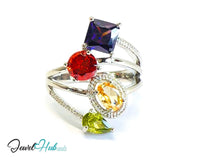
At JewelHub™: Our Premium Copper rings and some MiniCharm™ base bracelets are finished in White K plating over copper or silver alloy.
Two-tone
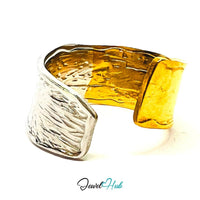
What does “Two-tone” mean?
Two metal colours combined in one piece, usually gold and silver.
Two-tone jewellery combines two metal colours, most often yellow gold with silver or white gold, in a single design. It can be achieved with two solid golds joined together, or by plating parts of a piece in a second colour. Two-tone pieces are easy to style because they sit comfortably with both gold and silver jewellery, making them a natural bridge in a stack. Check whether both tones are solid metal or plated, as plated areas will need more gentle care over time.
At JewelHub™: Our two-tone pieces range from stainless steel charms to 18k gold diamond rings that combine yellow and white gold.
DuoTone™
What does “DuoTone™” mean?
JewelHub's two-tone gold-and-silver stainless steel design line.
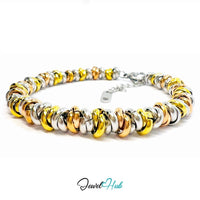
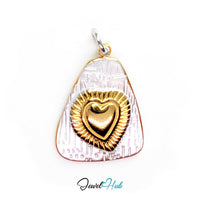
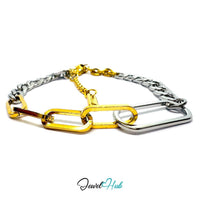
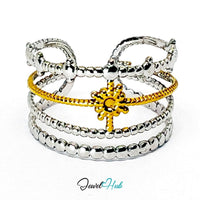
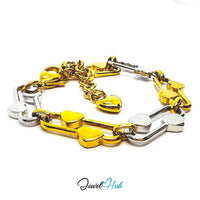
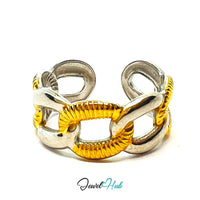
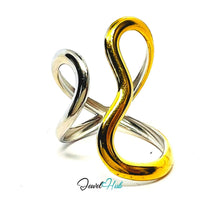
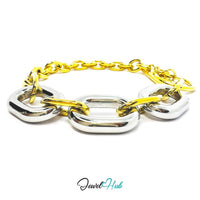
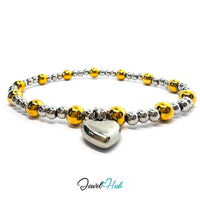
DuoTone™ is JewelHub's name for two-tone jewellery that pairs polished gold and silver tones in one piece, so it works with whichever metals you already wear. Bracelets, rings and pendants mix gold beads, links or cores with cool silver chain or bands. Most are made from stainless steel with gold-plated accents, so they are durable and tarnish-resistant for everyday wear. Many bracelets are adjustable, and they can also act as a base for charms. Rinse and dry after water contact to keep the gold accents bright.
At JewelHub™: Most of our DuoTone™ bracelets, rings and pendants are 316L stainless steel with gold-plated accents beside polished silver.
Oxidised silver
What does “Oxidised silver” mean?
Silver deliberately darkened in recesses to add depth and contrast.
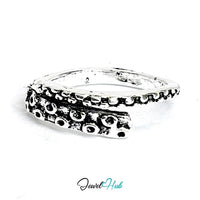
Oxidised silver is silver that has been intentionally darkened, usually with a sulphur-based solution, to bring out texture and detail. The recesses stay dark while raised surfaces are polished bright, creating depth, shadow and a vintage or edgy look. It is a surface effect, so heavy polishing can remove it. Clean oxidised pieces with a soft cloth, polishing only the raised areas, and avoid silver dips. The darkening may gradually soften on high points with wear, which many people enjoy as character.
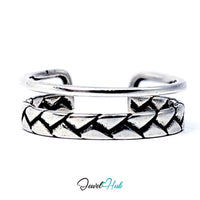
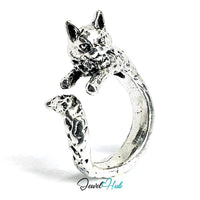
At JewelHub™: Our sculptural 925 sterling silver rings use intentional oxidation in the recesses, and some punk-style plated rings have oxidised detailing too.
Vermeil
What does “Vermeil” mean?
Gold over sterling silver, held to a minimum thickness standard.
Vermeil (pronounced 'ver-may') is gold plating over sterling silver that meets a defined minimum standard for gold purity and thickness. In the US the standard is at least 10k gold and a layer of at least 2.5 microns; the UK has no legal definition, but reputable sellers generally follow a similar standard. That thicker gold layer lasts longer than standard plating, while the silver base keeps the price well below solid gold. When buying, check that the seller states the gold karat and thickness. Care for vermeil gently: avoid water and chemicals and store it in a pouch.
At JewelHub™: We describe our gold-over-999-fine-silver twist ring as gold-plated rather than vermeil, because we would rather understate it than claim a thickness we cannot evidence.
Tarnish
What does “Tarnish” mean?
Natural surface darkening on metals, especially silver, copper and brass.
Tarnish is a thin layer that forms when metal reacts with sulphur and moisture in the air, skin, perfume or cleaning products. On silver it shows as a yellowish, grey or black film. On copper and brass it can be brown or green. Tarnish is normal and is not a sign of fake metal. Silver tarnish can be removed with a polishing cloth, and storing pieces in airtight pouches with anti-tarnish strips slows it down. Stainless steel and solid gold are highly resistant to tarnish, which makes them easy choices for daily wear.
At JewelHub™: Our stainless steel pieces are chosen for tarnish resistance, and we sell silver polishing cloths and anti-tarnish storage strips for our 925 pieces.
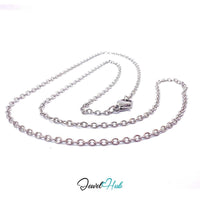
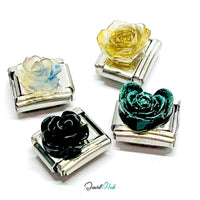
⛓️ Chains & links
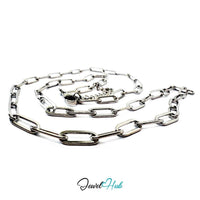
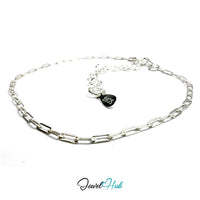
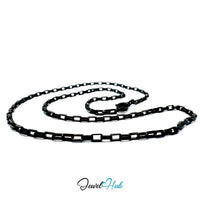
Paperclip chain
What does “Paperclip chain” mean?
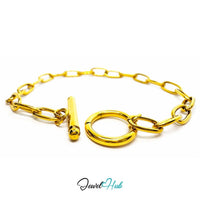
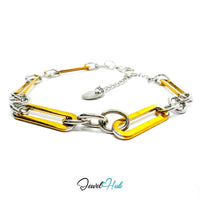
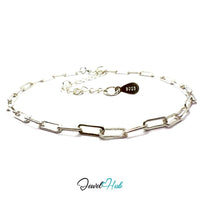
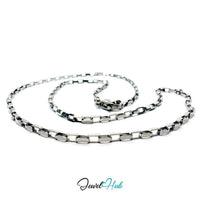
Elongated, flat rectangular links with a clean, modern, graphic look.
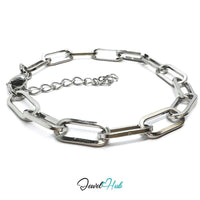
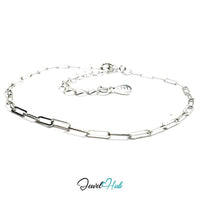
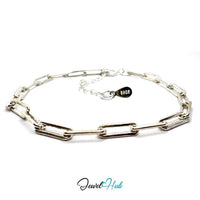
A paperclip chain is built from long, flattened rectangular links that look like a row of office paperclips. The open shape keeps it light and airy on the skin while still reading as a confident, contemporary chain. It sits flat, layers well without much tangling and suits both fine and bold widths. Because the links are open and longer than a round chain, they can catch on knitwear or bend under rough handling, so take it off for the gym or hands-on jobs. Check the link size in millimetres: smaller links feel delicate, larger links make more of a statement.
At JewelHub™: JewelHub offers paperclip chains in 925 sterling silver bracelets (from 1.75×4mm links) and stainless steel necklaces up to 4×12mm, which serve as FortunaLink™ base layers for MiniCharm™ charms.
Curb chain
What does “Curb chain” mean?
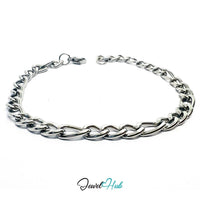
Twisted, interlocking links that lie flat for a smooth, polished finish.
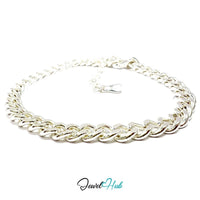
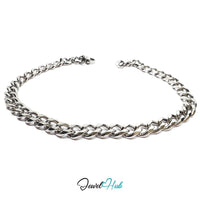
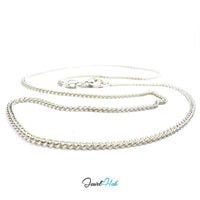
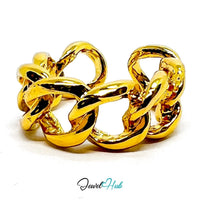
A curb chain has links that are twisted so they lie flat against one another, giving a smooth, even surface that catches the light along its length. It is one of the most versatile chain styles: fine curb chains look delicate and simple, while wide ones are bold and substantial. Because the links sit flat, curb chains wear comfortably, rarely kink and make a steady base for a pendant. Many other styles, including Figaro and Singapore chains, are built on curb-style links. Check the width and weight before buying if you want something you will feel on the skin.
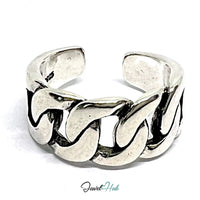
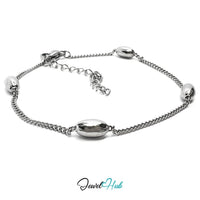
At JewelHub™: JewelHub uses curb links in its 1.8mm 925 sterling silver Curb Chain Necklace, the fine chain inside the SilverDot beaded bracelet and chunky curb-chain zinc alloy rings.
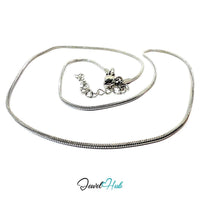
Snake chain
What does “Snake chain” mean?
Smooth, flexible tube of tightly joined plates with a liquid shine.
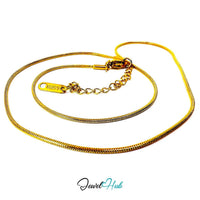
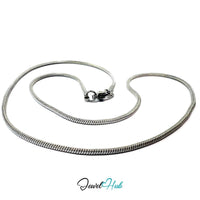
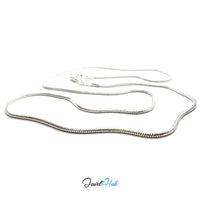
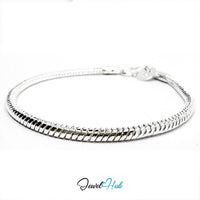
A snake chain is made from small curved plates or rings joined so closely that the chain forms a smooth, round, flexible tube with no visible gaps. It drapes almost like liquid and has a continuous, sleek shine that suits pendants and minimal looks. It feels slightly weightier for its width than open-link chains. The trade-off is that a snake chain can kink if it is folded sharply or knotted, and a kink is hard to remove, so store it laid flat or hanging and avoid wrapping it tightly. Choose a fine width for pendants with small bails.
At JewelHub™: JewelHub sells snake chains in 925 sterling silver (1.2mm, 40/50/60cm) and stainless steel, and includes a 50cm stainless steel snake chain with its aromatherapy pendants.
Box chain
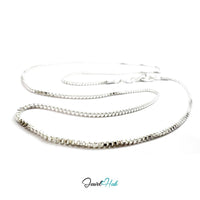
What does “Box chain” mean?
Square, box-shaped links forming a crisp, geometric chain.
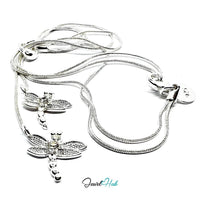
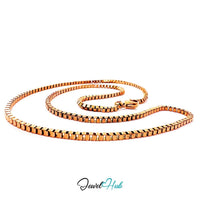
A box chain is made of square links joined edge to edge, so each link looks like a tiny open box. The result is a structured, geometric chain with sharp, reflective edges and a more polished look than rounder styles. It is sturdy for its width, keeps its shape well and is a popular choice for pendants because the links run smoothly through most bails. Fine box chains look minimal and delicate; 2mm and above become a feature in their own right. Check the width and length, and whether it closes with a lobster or spring clasp.
At JewelHub™: JewelHub offers box chains in 1mm 925 sterling silver and 2mm stainless steel in 45cm or 60cm lengths, presented as clean base layers for its modular system.
Rope chain
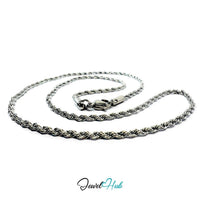
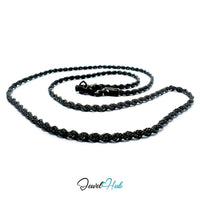
What does “Rope chain” mean?
Twisted strands spiralled together to look like a woven rope.
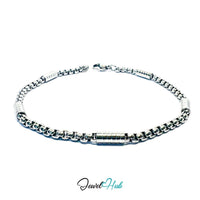
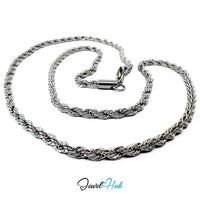
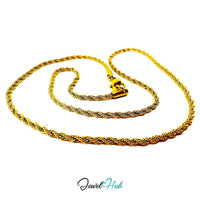
A rope chain is made from small links or strands twisted together in a continuous spiral, so it looks like a miniature rope. The twist gives strong texture and catches the light from every angle, which makes even a mid-width rope chain feel substantial. It is durable, holds its shape and works well worn alone, with a pendant or layered against flatter chains. Wider rope chains have a bolder, more statement look. The twisted texture can catch fine hair or knits slightly more than smooth styles, so consider width and where you will wear it.
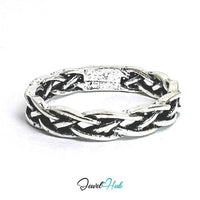
At JewelHub™: JewelHub's rope chains include a 3mm stainless steel Rope Chain Necklace at 55cm, a 1.7mm 316L stainless steel twisting rope bracelet and a punk braided rope-chain ring in zinc alloy.
Figaro chain
What does “Figaro chain” mean?
A rhythmic pattern of short flat links broken by one longer link.
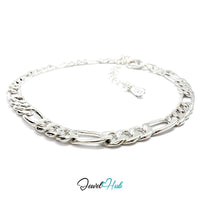
A Figaro chain is a flattened curb-style chain with a repeating pattern, usually several short links followed by one elongated link. The rhythm gives it more character than a plain chain while staying classic and easy to wear. Figaro chains sit flat, feel solid and look equally good on their own or layered with simpler chains. They are a popular choice for men's and unisex jewellery as well as everyday bracelets. When buying, check the link width and the pattern ratio, as the length of the long link changes the overall look.
At JewelHub™: JewelHub's 4.2mm 925 sterling silver Figaro Chain Bracelet is finished with a 4cm trace chain extender for an adjustable 18–22cm fit.
Belcher (rolo) chain
What does “Belcher (rolo) chain” mean?
The traditional British name for a chain of round or oval links.
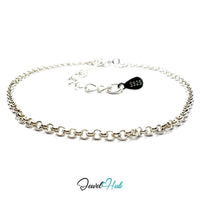
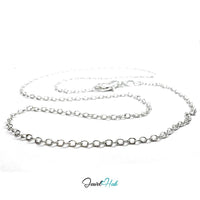
A belcher chain is made of round or slightly oval links, often wider and flatter than a basic cable chain, joined in a simple alternating pattern. It is the classic everyday British chain: sturdy, easy to wear and good for carrying a pendant. Belcher chains look neat and even, with a soft, rounded shine, and suit both fine and heavier widths. Oval belcher links give a slightly longer, more elegant line. When choosing one, compare the link width and wire thickness, as heavier links feel more substantial and hold up better to daily wear.
At JewelHub™: JewelHub's 925 sterling silver Oval Belcher Chain Necklace comes at a delicate 1.5mm width as an everyday base layer.
Singapore chain
What does “Singapore chain” mean?
A twisted, spiralling curb-style chain with a rippling sparkle.
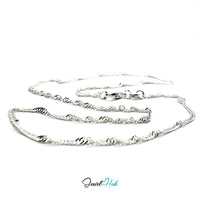
A Singapore chain is a twisted curb-style chain whose links spiral along the length, so it ripples and sparkles as it moves. It is light and flexible yet has more visual interest than a plain chain, which makes it a popular everyday choice for wearing alone or with a small pendant. Fine Singapore chains look delicate and shimmering; denser or wider versions give a bolder twist. Because of the twisted construction, avoid knotting it tightly, and store it flat so the spiral keeps its shape. Compare widths to choose between subtle and statement.
At JewelHub™: JewelHub offers three 925 sterling silver Singapore chains, Fine (1.7mm), Statement (2.2mm) and Dense, each combining twisted curb links with a rope-like spiral.
Ball chain
What does “Ball chain” mean?
Small polished spheres joined by short bars for a playful, beaded look.
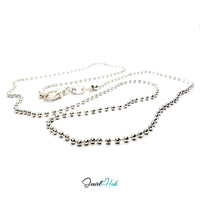
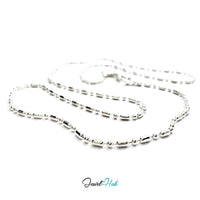
A ball chain is made from small metal balls joined by short connecting bars rather than interlocking links. Each bead catches the light on its own, giving a dotted, tactile look and a slightly springy feel. It is light, flexible and usually fastens with a simple connector or a standard clasp. Ball chains suit casual styling, tags and small pendants, and a bar-and-ball variation alternates beads with short polished bars for a more rhythmic shine. Check the ball size in millimetres: fine ball chains look delicate, larger balls give a bolder, more graphic effect.
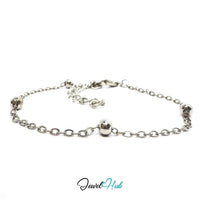
At JewelHub™: JewelHub's ball chains include a 1.3mm 925 sterling silver Ball Chain Necklace at 40cm, a bar-and-ball version and a minimalist stainless steel ball-link bracelet.
Italian charm link
What does “Italian charm link” mean?
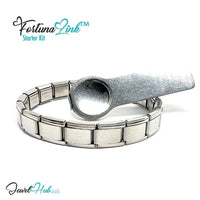
Flat 9mm stainless steel tiles that snap together into a bracelet.
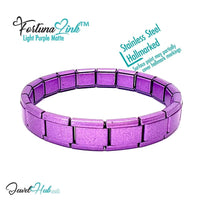
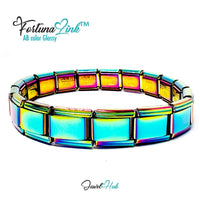
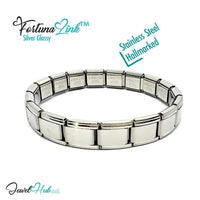
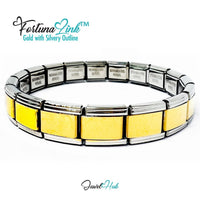
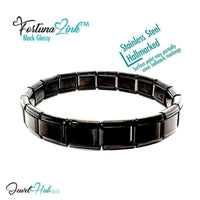
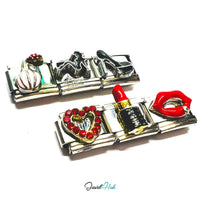
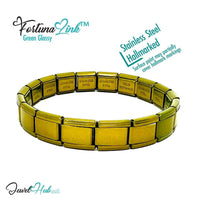
An Italian charm link is a small flat stainless steel tile, usually 9mm wide, with a spring mechanism inside that lets it snap side by side into other links to form a stretchy, flat band. Each link can carry a design, colour or symbol, and you personalise the bracelet by swapping plain links for charm links. Because 9mm is the standard size, links from different makers generally fit together. Swapping is easiest with a small charm tool. Count your links to adjust the size: add or remove links until the bracelet sits comfortably on the wrist.
At JewelHub™: JewelHub sells a large range of 9mm stainless steel Italian link charms and coloured tile bracelets, plus a starter bundle with 18 tiles and a charm tool, and keeps them separate from its chain-based FortunaLink™ system.
FortunaLink™
What does “FortunaLink™” mean?
JewelHub's chain-based modular base layer, built to carry MiniCharm™ charms.
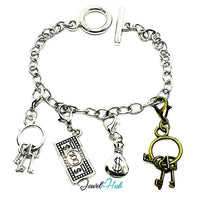
FortunaLink™ is JewelHub's modular chain system. It starts with a base chain, such as a paperclip, box, rope or snake chain in stainless steel or 925 sterling silver, which you can wear on its own as a clean everyday piece. You then add MiniCharm™ charms as the second layer: each charm arrives with its own clasp, so it clips onto the chain and hangs down from it, and can be moved or swapped without tools. Unlike Italian charm bracelets, where flat tiles snap side by side, FortunaLink™ keeps the chain visible and lets charms dangle.
At JewelHub™: JewelHub describes many of its stainless steel and 925 silver chains as FortunaLink™ base layers, with MiniCharm™ charms recommended as the second layer.
Chain length
What does “Chain length” mean?
How long a necklace or bracelet is, and where it sits on the body.
Chain length decides where a piece sits. In the UK, necklaces are usually sold in centimetres: around 40cm sits at the base of the neck like a short choker-style length; 45cm falls just below the collarbone and is the classic everyday length; 50cm sits a little lower, good for pendants; 55cm reaches the top of the chest; 60cm and beyond falls to the breastbone and suits layering. Bracelets typically run 16–22cm, with 18cm a common fit for an average wrist. An extender chain adds a few centimetres of flexibility, so measure an existing favourite before you buy.
At JewelHub™: JewelHub's necklaces are mostly sold at 40, 45, 50 and 60cm, and many 925 silver bracelets come at 18cm with a 4cm extender for an 18–22cm fit.
🔗 Clasps & fastenings
Lobster clasp
What does “Lobster clasp” mean?
A spring-loaded, claw-shaped clasp that snaps closed onto a ring.
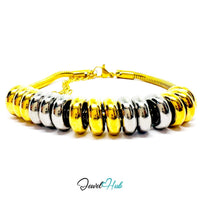
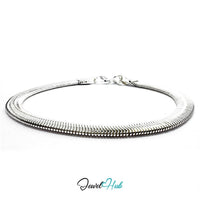
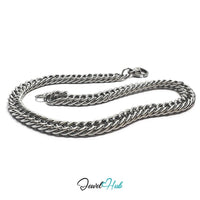
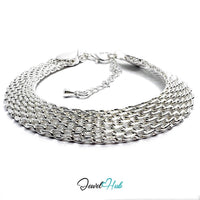
A lobster clasp is a small, claw-shaped fastening with a spring-loaded lever. You press the lever with a fingertip to open it, hook it onto a ring or the last link of the chain, and release it to snap shut. It is one of the most secure everyday clasps and is used on necklaces, bracelets and anklets of all weights. Larger lobster clasps are easier to handle, especially on bracelets you fasten one-handed. Check that the spring snaps back firmly, and pair it with an extender chain if you want an adjustable fit.
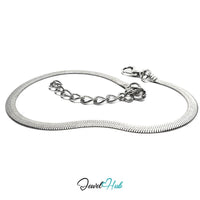
At JewelHub™: Lobster clasps are JewelHub's standard fastening on its 925 sterling silver chain bracelets, usually paired with a 4cm trace chain extender for an 18–22cm fit.
Magnetic clasp
What does “Magnetic clasp” mean?
Two magnetic ends that pull together to fasten without fiddly catches.
A magnetic clasp uses two small magnets, one on each end of the piece, which pull together and hold the bracelet or necklace closed. It is quick and easy to fasten, particularly on bracelets you put on one-handed, and often doubles as a design feature. The hold depends on the strength of the magnets and the weight of the piece, so magnetic clasps suit lighter chains best; heavier pieces may need a safety catch. Keep magnetic jewellery away from bank cards and phones, and do not confuse it with a piece's metal being magnetic.
At JewelHub™: JewelHub's OneTone Magnetic stainless steel bracelet closes with an 11×6mm magnetic heart clasp, and its silver listings explain the magnet test for spotting genuine 925.
Toggle clasp
What does “Toggle clasp” mean?
A T-shaped bar that slips through a ring and holds by tension.
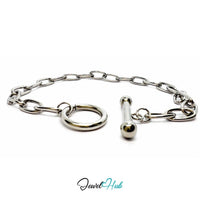
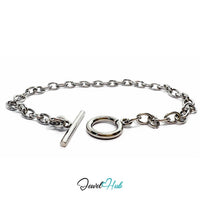
A toggle clasp has two parts: a ring on one end and a straight T-bar on the other. You pass the bar through the ring and turn it crossways, and the weight and tension of the piece keep it in place. Toggles are easy to fasten and are often worn at the front as a decorative feature. They work best on pieces that fit fairly snugly, because a very loose bracelet can let the bar turn and slip back through. Check that the bar is clearly longer than the ring's opening for a secure hold.
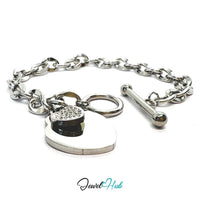
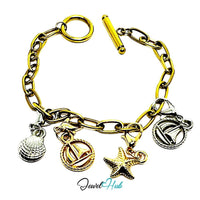
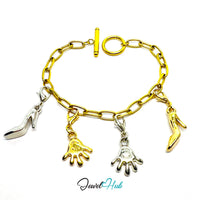
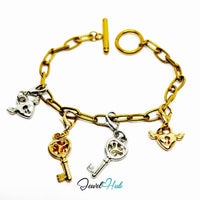
At JewelHub™: JewelHub uses toggle clasps on the silver-tone toggle chains in its MiniCharm™ bracelet sets, the Double Heart Zirconia bracelets and its 925 silver Chain Connector Ring Duo.
Box clasp
What does “Box clasp” mean?
A flat tab that clicks into a decorative box, often with a safety latch.
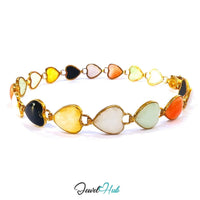
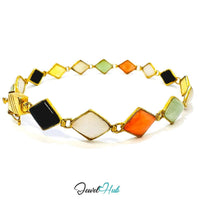
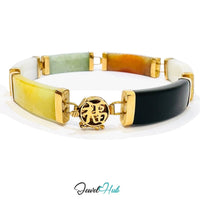
A box clasp is made of a flat, folded metal tab that slides into a small box-shaped housing and clicks to lock. Pressing the tab releases it. Because it sits flush with the bracelet, it looks neat and almost seamless, which is why it is popular on gemstone line bracelets and segmented designs. Many box clasps add a safety latch or figure-of-eight catch on the side for extra security. Before buying, check that the clasp clicks firmly, and get into the habit of closing the safety latch every time you wear it.
At JewelHub™: JewelHub's 14k gold jade and aquamarine bracelets close with a box clasp and safety latch.
Extender chain
What does “Extender chain” mean?
A short length of chain that lets you adjust how long a piece sits.
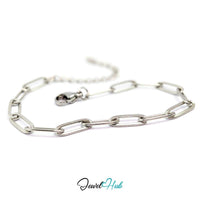
An extender chain is a short piece of chain, usually a few centimetres long, attached to one end of a necklace or bracelet. You hook the clasp onto whichever link gives the fit you want, so one piece can work at several lengths or suit different wrists. Extenders are especially useful for layering necklaces at slightly different drops, or for bracelets that need to fit comfortably without being too loose. Check the extender's length in the listing: a 4–5cm extender is common and gives a useful range without a noticeable tail.
At JewelHub™: JewelHub fits a 4cm trace chain extender to many 925 sterling silver bracelets for an 18–22cm fit, and some stainless steel necklaces come as 55cm plus a 5cm extension.
Jump ring
What does “Jump ring” mean?
A small metal ring that connects charms, clasps and chains.
A jump ring is a small circle of metal wire with a tiny split, used to join one component to another: a charm to a chain, a clasp to the end of a bracelet, or a drop to an earring. To open one safely, twist the two ends sideways rather than pulling them apart, then twist them back so the gap closes neatly. A well-closed jump ring is almost invisible; a gap can let a charm slip off. Jump rings take a lot of movement, so on plated pieces they are often where wear shows first.
At JewelHub™: JewelHub's MiniCharm™ charms have their jump rings and clasps fitted by hand, and its gold drop earrings use jump rings to give articulated movement.
Bail
What does “Bail” mean?
The loop at the top of a pendant that the chain passes through.
A bail is the loop or fitting at the top of a pendant that the chain threads through. It may be a simple ring, a folded strip of metal or a hidden loop set behind the design so the pendant appears to float. The size of the bail matters: it needs to be wide enough for your chosen chain, especially if you want to use a thicker style or slide the pendant on past the clasp. A hidden bail gives a seamless look, while a visible one can be a decorative feature in its own right.
At JewelHub™: JewelHub's 14k gold pearl pendants use hidden or discreet bails sized for most standard chains, and are sold without a chain.
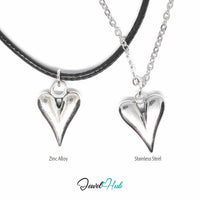
Butterfly back
What does “Butterfly back” mean?
The small push-on back that holds a stud earring post in place.
A butterfly back is the small metal fitting that slides onto the post of a stud earring behind the lobe. Two curled wings grip the post, holding the earring in place, and you squeeze them slightly to slide it off. It is the most common earring back and works well for light to medium studs. For heavier earrings, a butterfly back alone may let the front tilt forward, so heavier designs often use a clip or lever behind the lobe instead. Check the backs grip firmly, and replace them if they become loose.
At JewelHub™: JewelHub's 14k gold stud earrings use post and butterfly back fittings, while its heavier gold earrings use an omega clip for extra security.
Clip-on
What does “Clip-on” mean?
A hinged fitting that grips without a piercing or a tool.
Clip-on describes any fitting that fastens by clipping rather than threading or piercing. Clip-on earrings use a hinged, padded or sprung clip that grips the earlobe, so they can be worn without pierced ears; comfort depends on the tension and the earring's weight. In modular jewellery, clip-on also describes charms with a pre-fitted clasp that you simply clip onto a chain, bracelet or bag, then move or swap whenever you like. Check how the clip opens and closes, and for earrings, whether the tension feels comfortable for the length of time you will wear them.
At JewelHub™: At JewelHub clip-on mostly describes MiniCharm™ charms, which arrive with a clasp already fitted so they clip onto any FortunaLink™ base without tools.
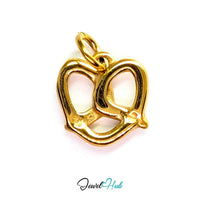
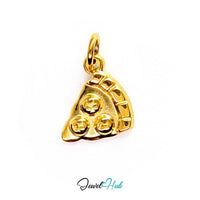
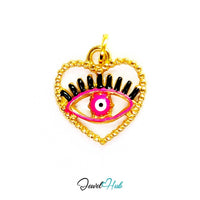
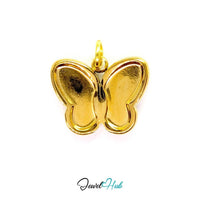
Omega clip
What does “Omega clip” mean?
A hinged earring fitting that folds up behind the lobe for extra security.
An omega clip is an earring back made from a hinged, curved wire lever that swings up and presses gently against the back of the earlobe. It is usually paired with a post, so the earring goes through a pierced ear like a stud, then the clip closes behind it for a second point of hold. That makes it a popular choice for heavier or larger earrings that might droop or slip on a standard push-on back. The name comes from the clip's Ω shape. To fasten, push the post through, then fold the lever down until it rests flat against the lobe.
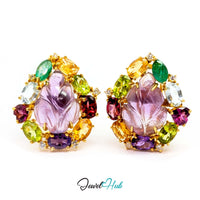
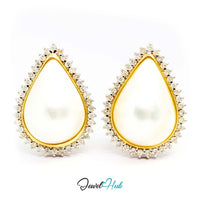
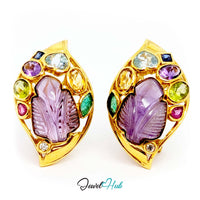
At JewelHub™: Our 14k and 18k gold earrings use omega clips, pairing a post with a hinged lever behind the lobe.
🧩 Charms & modular
⬇ Charm Meanings Encyclopedia (PDF): 140 charm symbols & what they mean
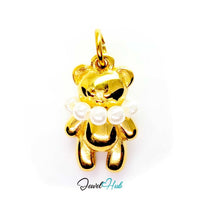
MiniCharm™
What does “MiniCharm™” mean?
Swappable story charms that clip onto JewelHub™ bases to personalise a piece.
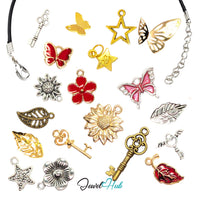
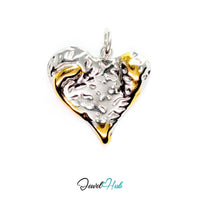
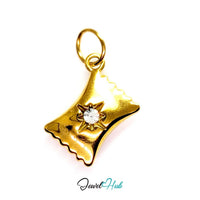
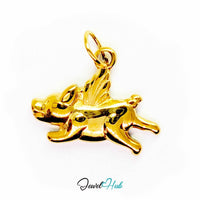
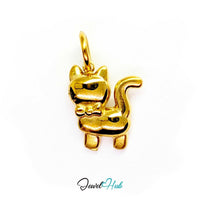
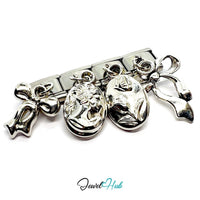
MiniCharm™ is JewelHub™'s Story layer: small, swappable charms designed to be added, moved and removed as your story changes. Rather than being soldered on, each charm clips onto a base piece, such as the links or knot stations of a chain bracelet, a cord necklace or a beaded base. That means one bracelet can carry a birthday charm this month and a travel charm the next. Start with a base you love, add two or three charms with a theme in common, and build up over time. Keep charms evenly spaced so they hang freely and do not crowd the clasp.
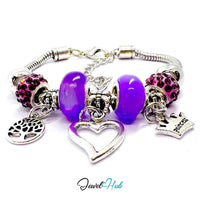
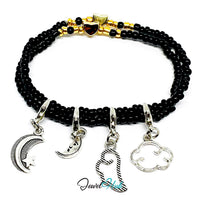
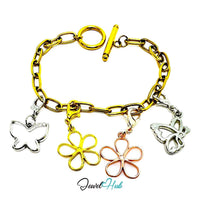
At JewelHub™: Our stainless steel MiniCharm™ range, in polished, enamel and crystal designs, clips onto the links of our paperclip bracelets and onto faux leather cord necklaces built as layering bases, or you can design your own bracelet in JewelBuild™.
Spacer bead
What does “Spacer bead” mean?
A small plain bead used between feature beads to add rhythm and room.
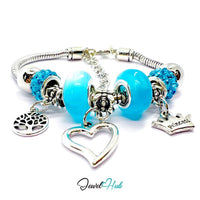
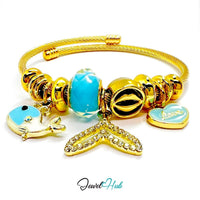
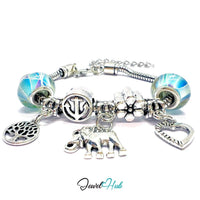
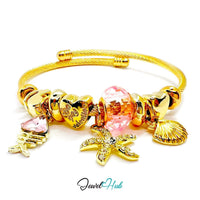
A spacer bead is a small, usually plain bead placed between larger or more decorative beads. It does three jobs: it gives each feature bead room to be seen, it adds a steady rhythm of metal or colour along the strand, and it stops beads rubbing against one another. Spacers are typically round, disc-shaped or rondelle-shaped, and often come in gold or silver tones to frame coloured beads. When designing a personalised bracelet, a spacer either side of a letter or charm keeps the message readable and the stack looking deliberate rather than crowded.
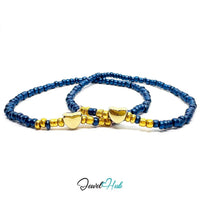
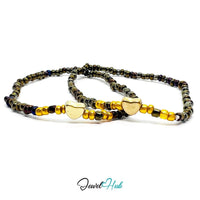
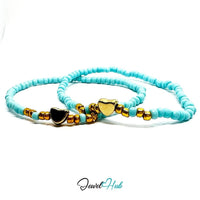
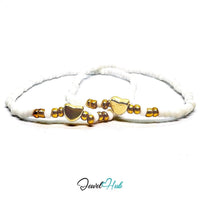
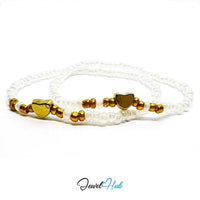
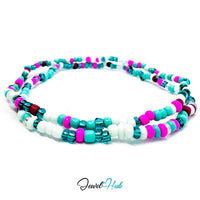
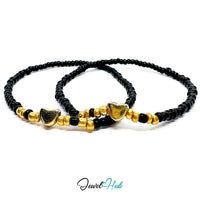
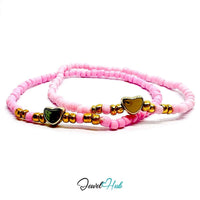
At JewelHub™: Our NameBead™ Base Bracelet Sets pair coloured beads with gold spacer beads and a gold heart charm on stretch elastic.
Bead
What does “Bead” mean?
A pierced decorative piece threaded onto elastic, cord or chain.
A bead is any small decorative piece with a hole through it, designed to be threaded onto elastic, cord, wire or chain. Beads can be metal, glass, natural stone, pearl, resin or acrylic, and range from tiny seed beads to bold statement shapes. In jewellery they serve as both decoration and structure: feature beads draw the eye, while spacer beads keep the design balanced. When buying, check the material, the bead size in millimetres and what the beads are strung on, because elastic, cord and chain each wear and stretch differently over time.
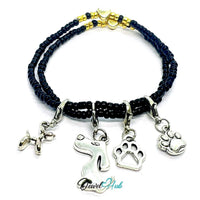
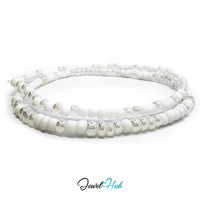
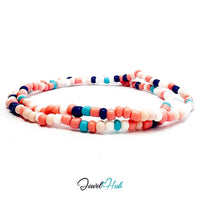
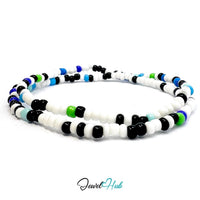
At JewelHub™: Our NameBead™ Base Bracelet Sets are beaded stacks on stretch elastic, sold in pairs and designed to take letter beads and MiniCharm™ pieces.
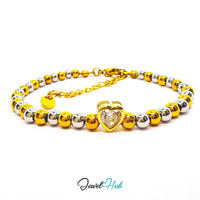
Dangle charm
What does “Dangle charm” mean?
A charm that hangs from a loop or hook so it moves freely.
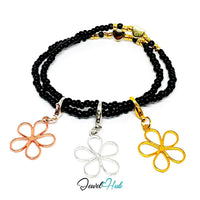
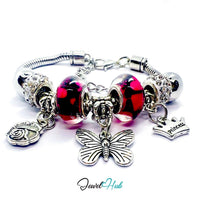
A dangle charm hangs from a loop, bail or hook rather than sitting flat against the piece, so it swings and catches the light as you move. Dangles add movement and a little playfulness, and are a simple way to make a flat bracelet or ring feel more personal. Because they hang below the base, check the overall drop measurement, which usually includes the hook, before buying. On bracelets, spread dangles out so they do not tangle, and remember that a dangle near the clasp will sit on the inside of the wrist.
At JewelHub™: Our flower and celestial dangle charms hook onto 10mm x 9mm stainless steel Italian bracelet links, and the flower designs measure 19.3mm tall including the hook.
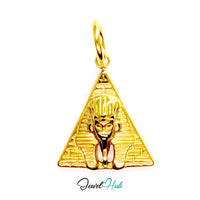
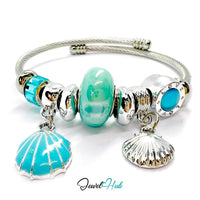
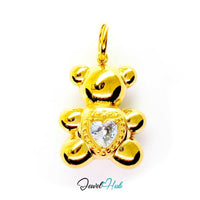
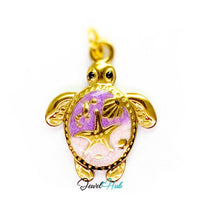
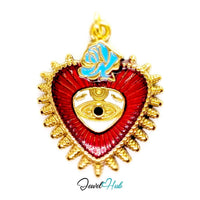
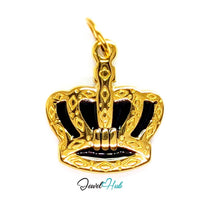
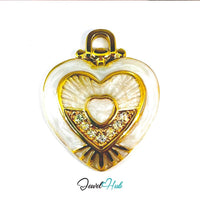
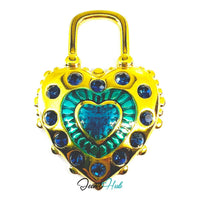
Enamel
What does “Enamel” mean?
Coloured glass-based or resin-style coating that adds bright, durable colour.
Enamel is a coloured coating applied to metal to add colour and detail. Traditional vitreous enamel is powdered glass fused to metal at high heat, giving a hard, glossy finish; fashion jewellery more often uses cold enamel, a resin-based coating that cures without firing and allows bright, playful colours on smaller pieces. Enamel lets designers add tiny motifs, faces and patterns that metal alone cannot show. To keep it looking fresh, avoid knocks against hard surfaces, keep it away from harsh cleaners and wipe it with a soft, dry cloth.
At JewelHub™: Our stainless steel Italian bracelet link charms include enamel designs such as the Monster set, topped with fade-resistant enamel detailing.
Stacking
What does “Stacking” mean?
Wearing several rings or bracelets together on one finger or wrist.
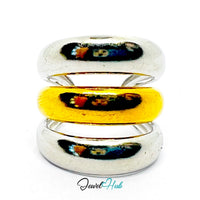
Stacking means wearing several pieces together, typically rings on one finger or bracelets on one wrist, so they read as a single composed look. Good stacks balance contrast and repetition: mix one wide band with slimmer ones, combine textures such as polished and beaded, or blend silver and gold. Keep the piece with the most detail as the focal point and let simpler pieces support it. For rings, consider going up a half size if you stack three or more on one finger, as a full stack can feel snugger than a single band.
At JewelHub™: Many of our pieces are described as stackable, from lightweight 925 silver gemstone rings to DuoTone™ SplitBand rings that bridge silver and gold in one band.
Layering
What does “Layering” mean?
Wearing several necklaces or chains at different lengths together.
Layering is wearing several necklaces, or sometimes bracelets, at different lengths so each one shows. The simplest formula is three pieces spaced roughly 5cm apart in length, for example a 40cm, 45cm and 50cm combination, with the heaviest or most detailed piece at the bottom. Mix chain styles and thicknesses for interest, and choose clasps that are easy to fasten individually. To reduce tangling, pair a flat chain with a rounder one, and consider pendants sold without a chain so you can choose exactly where they fall.
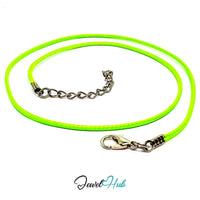
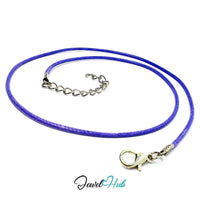
At JewelHub™: Our faux leather cord necklaces are sold as 40cm layering bases, and several of our gold pendants come without a chain so you can layer them your way.
Modular jewellery
What does “Modular jewellery” mean?
Jewellery built from interchangeable parts you can add, remove and swap.
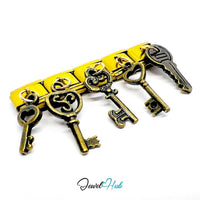
Modular jewellery is designed as a system of interchangeable parts rather than a finished, fixed piece. You start with a base, such as a bracelet, chain or ring, then add, remove or swap elements like charms, links or beads as your style and story change. It is a practical way to buy: one well-chosen base can carry many looks, and new pieces can be added for birthdays or milestones. When choosing modular pieces, check that parts share the same fitting standard, such as link size or clip type, so everything works together.
At JewelHub™: JewelHub™ organises its modular system in layers: FortunaLink™ as the Foundation, MiniCharm™ as the Story and DuoTone™ as the Highlight, with the JewelBuild™ builder at /pages/jewelbuild.
NameBead™
What does “NameBead™” mean?
JewelHub™'s personalised bead system for names, initials and words.
NameBead™ is JewelHub™'s personalisation system for spelling names, initials or short words in beads. It starts with a base bracelet designed for the purpose, then letter beads and charms are added to make it personal. The base bead spacing allows room for letters without crowding, so a name stays readable. NameBead™ pieces suit gifting, friendship stacks and milestone moments, and can be worn alone or alongside other bracelets. Keep messages short for a neat look, and use a spacer or charm either side of a name to frame it.
At JewelHub™: Our NameBead™ Base Bracelet Sets come as a pair of 20cm stretch elastic beaded bracelets with a gold heart charm and gold spacer beads.
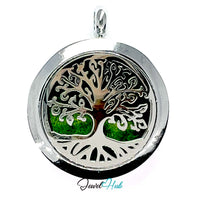
Aromatherapy pendant
What does “Aromatherapy pendant” mean?
A locket-style pendant holding a scented pad that gently diffuses fragrance.
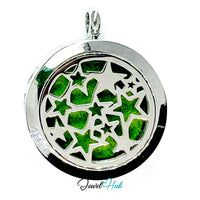
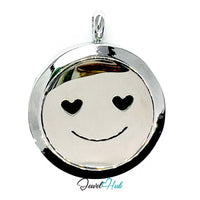
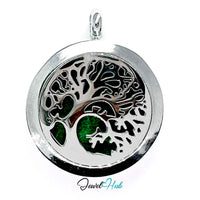
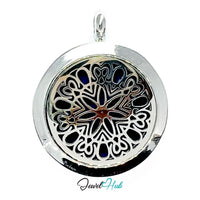
An aromatherapy pendant, also called a diffuser necklace, is a locket-style pendant designed to carry a personal scent. It opens to hold a small absorbent pad, often felt or cotton, onto which you add a few drops of essential oil or perfume. An openwork front lets the fragrance diffuse gently through the day. Apply oil to the pad only, never directly onto the metal or skin, and close the locket fully. Swap or refresh pads when the scent fades, and let the pendant dry before changing fragrances so scents do not mix.
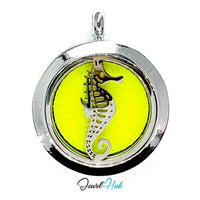
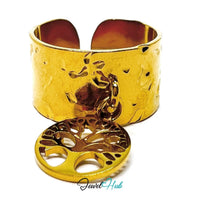
At JewelHub™: Our stainless steel aromatherapy pendants, such as Tree of Clarity, open to hold a reusable diffuser pad with an openwork tree front.
💍 Rings & sizing
UK ring size
What does “UK ring size” mean?
The British letter system for ring sizes, from A to Z with half sizes.
UK ring sizes use letters from A to Z, with half sizes in between such as N½. Each full letter is roughly 1.25mm more in inside circumference, about 0.4mm in diameter. As a guide, UK L½ is about 16.5mm inside diameter, UK N½ about 17.3mm and UK P½ about 18.1mm. To measure at home, wrap a strip of paper around the base of your finger, mark where it meets, measure the length in mm and divide by 3.14 to get the diameter. Measure at the end of the day, when fingers are slightly larger, and size up for wide bands.
At JewelHub™: Our ring listings give the UK letter alongside US and EU sizes and the inside diameter in mm, for example UK Q / US 8.5 / ⌀ 18.5mm.
US ring size
What does “US ring size” mean?
The American numerical ring size system, with half and quarter sizes.
US ring sizes use numbers, typically from 3 to 13 for adults, with half and sometimes quarter sizes. Each whole size adds about 0.8mm to the inside diameter. As a guide, US 6 is about 16.5mm inside diameter, US 7 about 17.3mm and US 8 about 18.1mm, so US 7 is roughly UK N½. To measure at home, take a ring that fits the right finger and measure straight across the inside edge in mm, or wrap paper round your finger, measure the length and divide by 3.14. Always compare in millimetres when converting between systems.
At JewelHub™: Our listings show US sizes next to UK letters, and adjustable designs state their range, such as UK M–O / US 6.5–7.5.
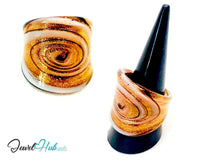
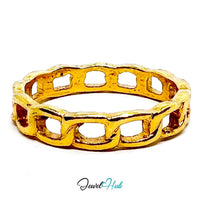
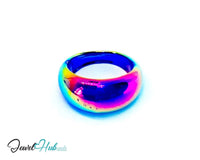
Adjustable ring
What does “Adjustable ring” mean?
A ring with an open or flexible band that fits a range of sizes.
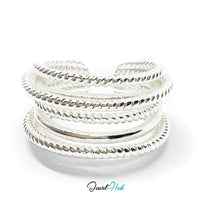
An adjustable ring has an open-ended or flexible band that can be gently eased wider or narrower to fit across a range of sizes, usually two or three UK letters. It is a practical choice for gifts, for rings worn on different fingers, or for fingers that change size through the day. To adjust, hold the ring at both sides and squeeze or open slowly and evenly, a little at a time. Avoid repeatedly bending the same point, as metal can weaken, and choose a fixed size if you need a precise fit.
At JewelHub™: Many of our 925 silver rings use an adjustable open band with the range stated, such as UK M–O, N–P or O–Q.
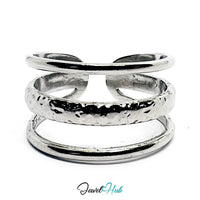
Open ring
What does “Open ring” mean?
A ring with a gap or open ends rather than a closed circle.
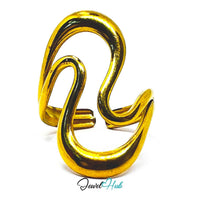
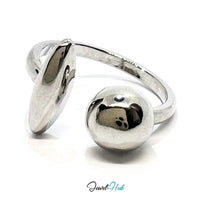
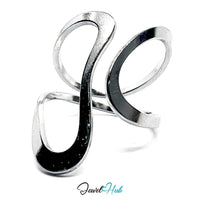
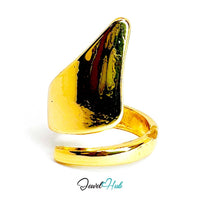
An open ring has a band that does not form a closed circle: the two ends either stop short of each other or overlap side by side. The open design creates a light, modern silhouette, often with a feature at each end such as a ball, stone or curve. Many open rings are also adjustable, since the gap allows the band to be eased wider or narrower. Wear the opening on the palm side for a clean look or on top to show off both ends, and avoid snagging the ends on knitwear.
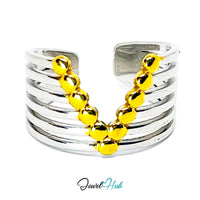
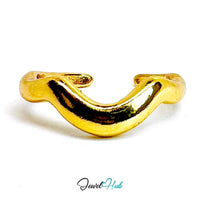
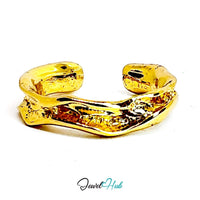
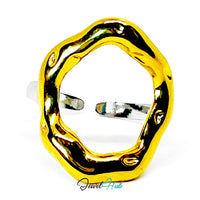
At JewelHub™: Our open rings range from the OpenCurve gold-plated zinc ring to the 925 silver Ball & Oval ring, adjustable across UK M–O.
Band width
What does “Band width” mean?
How wide a ring's band is from edge to edge, measured in millimetres.
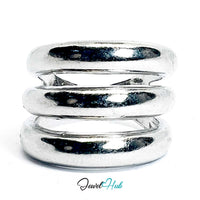
Band width is the measurement of a ring's band from one edge to the other, taken across the top of the finger, in millimetres. It shapes both look and fit: slim bands of around 1.5–2mm feel delicate and stack easily, while bands of 6mm or more make a stronger statement. Wider bands cover more of the finger, so they often feel snugger, and many people go up half a size for anything 6mm and above. Some rings taper, being wider at the front and narrower at the back, which keeps them comfortable between fingers.
At JewelHub™: Our 925 silver Triple Chevron ring lists a 6.2mm band width, while sculptural designs give separate front and rear band measurements.
Signet ring
What does “Signet ring” mean?
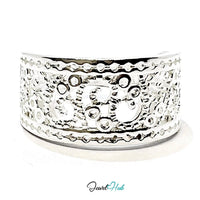
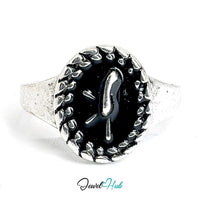
A ring with a flat, wide face, traditionally engraved with a crest or initials.
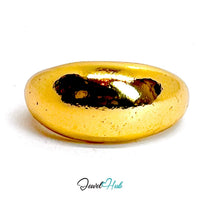
A signet ring has a broad, flat or slightly domed face, traditionally engraved with a family crest, monogram or seal. Historically it was pressed into hot wax to sign and seal letters and documents. Today signet rings are worn as statement pieces, with the face left plain, engraved, or set with a stone such as onyx. They are often worn on the little finger, though any finger works. Because the face is heavy, check the band width and weight, and choose a snug fit so the face sits upright rather than rolling.
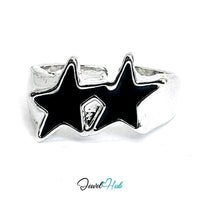
At JewelHub™: Our zinc alloy punk rings include an oversized black stone signet with a 19.5–20.0mm inside diameter for the middle or little finger.
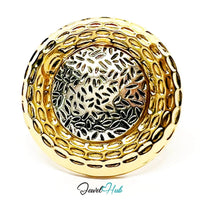
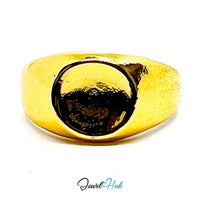
Eternity ring
What does “Eternity ring” mean?
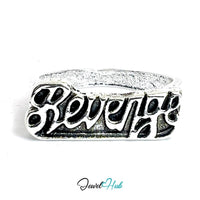
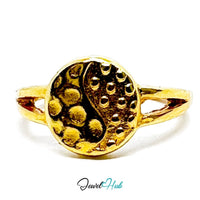
A band set with a continuous row of matching stones.
An eternity ring is a band set with a continuous line of matching stones, symbolising never-ending love. A full eternity ring carries stones all the way around; a half eternity ring has stones across the front only, which is more comfortable and easier to resize. Eternity rings are often given for anniversaries or the birth of a child, and are worn alone or alongside a wedding band. Because a full eternity band cannot usually be resized, it is especially important to know your exact ring size before buying.
At JewelHub™: Our eternity styles include an 18K gold four-stone opal half-eternity band and a zinc alloy pearl eternity-style ring.
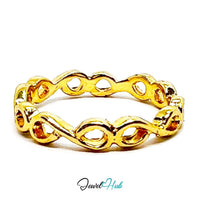
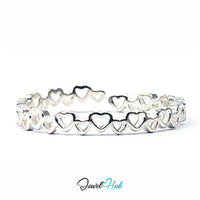
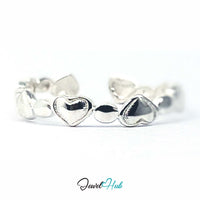
Solitaire
What does “Solitaire” mean?
A ring or jewel set with a single main stone.
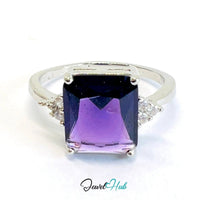
A solitaire is a piece set with one main stone and nothing competing with it. It is the classic engagement ring style, but the term covers any ring, pendant or earring that showcases a single gem. The setting matters: four or six claws lift the stone to let in light, while a bezel wraps it for a smooth, secure profile. When choosing a solitaire, consider stone size relative to your finger, how high the stone sits, and whether you want to stack other rings beside it.
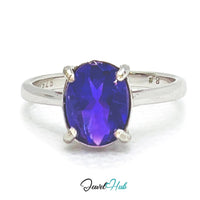
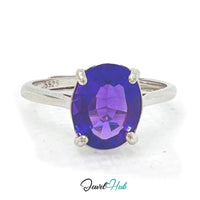
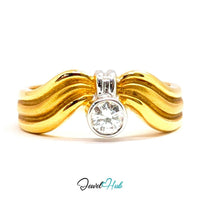
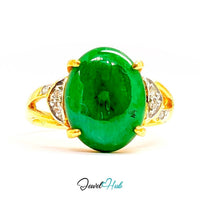
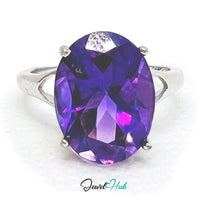
At JewelHub™: Our solitaires range from 925 silver natural amethyst rings in a four-prong setting to DuoTone™ 18K gold wave rings with a single natural diamond.
Halo setting
What does “Halo setting” mean?
A centre stone surrounded by a ring of smaller stones.
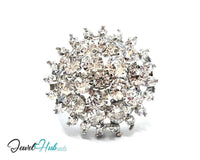
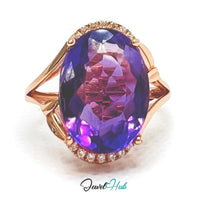
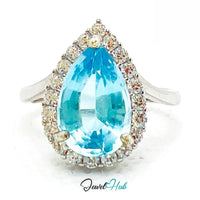
A halo setting surrounds a centre stone with a frame of smaller stones, usually diamonds or cubic zirconia. The halo adds sparkle and makes the centre stone look larger than it is, which is why it is popular for engagement rings and stud earrings. Halos can follow the shape of the centre stone, such as round, oval or pear, or contrast with it. Because the small stones sit close together, clean halos regularly with a soft brush and warm soapy water so dirt does not dull the sparkle.
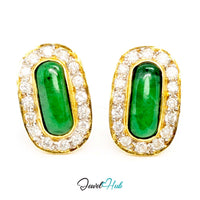
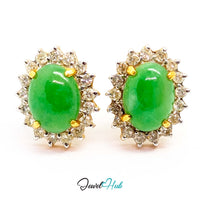
At JewelHub™: Our halo designs include 18K gold jade and diamond halo studs with 34 diamonds, and 925 silver gemstone rings framed by a cubic zirconia halo.
Claw setting
What does “Claw setting” mean?
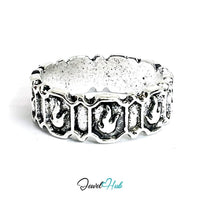
Metal prongs that grip a stone and hold it in place.
A claw setting, also called a prong setting, holds a stone with small metal claws that fold over its edge. Four or six claws are most common. Because the claws grip only at a few points, more light reaches the stone, so it shows maximum sparkle. The trade-off is that raised claws can catch on clothing and may loosen with knocks over time. Check them occasionally by gently feeling for movement, and have any loose claws tightened by a jeweller before wearing again.
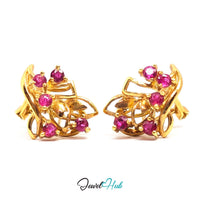
At JewelHub™: Our claw-set designs include 14K gold ruby cluster earrings with ten rubies claw-set at scattered heights through openwork gold.
Bezel setting
What does “Bezel setting” mean?
A metal rim that wraps around a stone's edge.
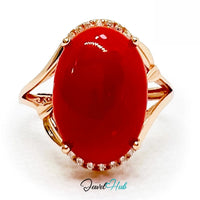
A bezel setting holds a stone within a continuous band of metal wrapped around its edge, like a frame. It is one of the most secure settings, protecting the stone's edge from chips and leaving no claws to snag on clothing. A bezel also gives a smooth, modern or vintage look depending on the rim's thickness. Cabochons, which are smooth domed stones, are often bezel-set. The trade-off is that slightly less light reaches the stone than in a claw setting, so it shows less sparkle.
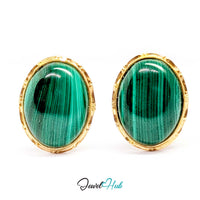
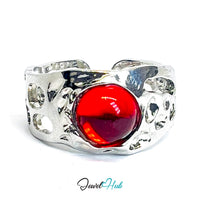
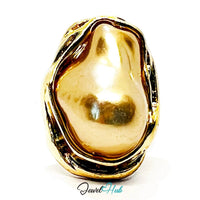
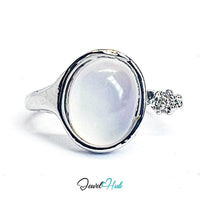
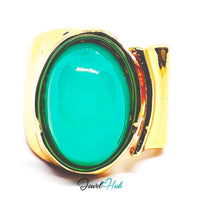
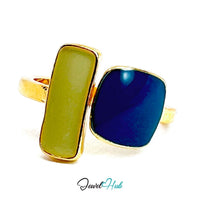
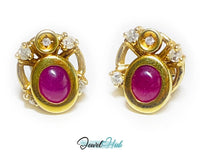
At JewelHub™: Our 14K gold jade stud earrings set an oval green cabochon in a plain gold bezel.
Pavé setting
What does “Pavé setting” mean?
Many small stones set close together to cover a surface in sparkle.
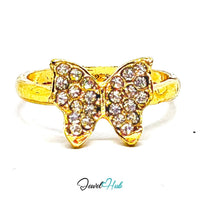
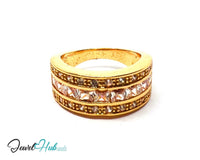
A pavé setting, from the French for paved, covers a surface with many small stones set closely together, held by tiny beads or claws of metal. The effect is a continuous field of sparkle with very little metal showing. Pavé is used on ring bands, around halos and across pendants and earrings. Because the stones are small and numerous, pavé pieces need gentle care: avoid heavy knocks, clean with a soft brush, and check occasionally for any loose or missing stones.
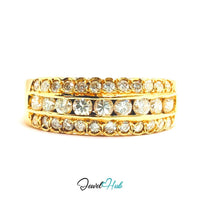
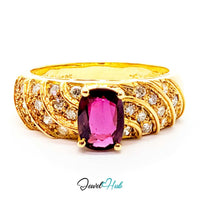
At JewelHub™: Our 18K gold triple row pavé natural diamond band shows the technique in solid gold, with pavé diamonds tracing the band.
Cocktail ring
What does “Cocktail ring” mean?
A large, eye-catching ring with a prominent centre stone.
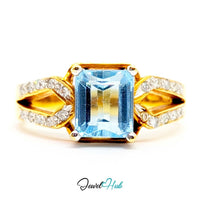
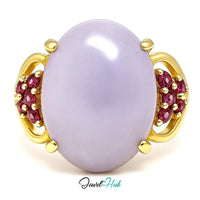
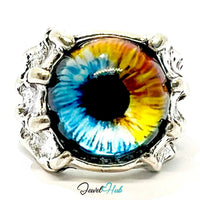
A cocktail ring is a large, bold ring built around a prominent centre stone, often coloured, and designed to be noticed. The style took off in the 1920s during Prohibition, when women wore oversized rings to cocktail parties. Today a cocktail ring is worn as a single focal piece, usually on the middle or ring finger, with other jewellery kept simple. Because the head is tall and heavy, choose a snug fit so the stone sits upright, and take it off for tasks where it might knock.
At JewelHub™: Our cocktail rings include an 18K gold black opal ring with an oval cabochon in a scroll crown, UK Q.
Statement ring
What does “Statement ring” mean?
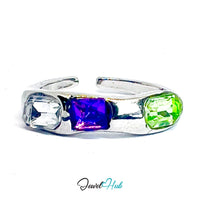
A bold, attention-grabbing ring designed to be the focal point of a look.
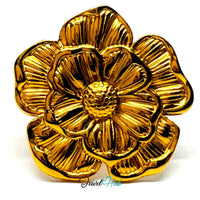
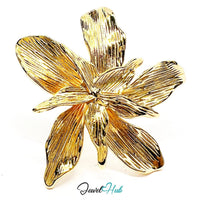
A statement ring is a bold design meant to be the focus of your outfit, whether through size, shape, colour or texture. It can be a large stone, a wide sculptural band, a dramatic motif or an unusual material. The rule of thumb is to let it lead: keep other rings minimal on the same hand and choose simpler earrings or necklaces. Statement rings often look best on the middle or index finger. Check the weight and dimensions, as a large ring needs a snug fit to sit straight.
At JewelHub™: Our statement rings include wide zinc alloy punk designs and bold resin rings, many with UK, US and EU sizes listed.
✨ Earrings
Stud earrings
What does “Stud earrings” mean?
Earrings that sit flat on the lobe, fixed with a post and back.
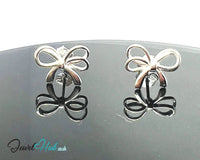
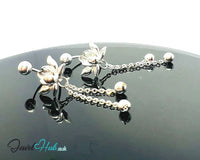
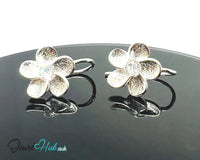
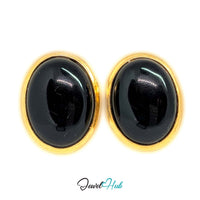
Stud earrings sit directly on the front of the earlobe, with no part hanging below it. A straight post passes through the piercing and is held in place by a back, most often a butterfly (push) back, sometimes a screw back. Because they stay still and close to the ear, studs are the easiest earrings to wear every day, sleep-friendly for many people, and ideal for second and third piercings. When choosing, check the post metal if you have sensitive ears, the size of the front in millimetres, and how the stone is set, as a bezel sits lower and snags less than claws.
At JewelHub™: JewelHub's studs run from 925 sterling silver styles with cubic zirconia to 14K and 18K gold pairs set with natural black onyx, jade, citrine, pearls and diamonds.
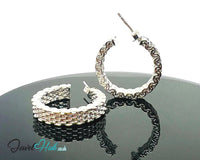
Hoop earrings
What does “Hoop earrings” mean?
Circular or oval earrings that loop through the piercing.
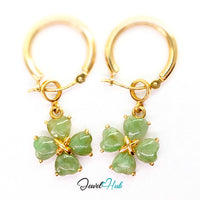
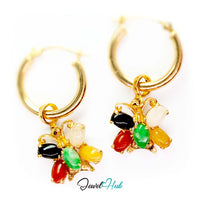
Hoop earrings form a full or partial circle (or oval) that passes through the piercing, closing with a hinge, a hook-in wire, a latch or a post at the back. They range from tiny huggies to large statement rings, and their style changes a great deal with the tube thickness, texture and whether charms or stones hang from them. For comfort, lighter hoops suit daily wear, while heavier ones are better for occasions. Check the stated weight per pair and the closure type, especially if you plan to wear them for long days.
At JewelHub™: At JewelHub hoops include the Orbit Textura 925 sterling silver textured pair and 14K gold designs such as five-colour jade butterfly and freshwater pearl hoops.
Drop earrings
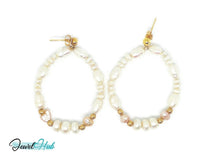
What does “Drop earrings” mean?
Earrings with an element that hangs just below the lobe.
Drop earrings have a decorative element that hangs below the earlobe, suspended from a stud, hook or small hoop. The term usually describes a single, fairly still drop such as a pearl, disc or stone, as opposed to longer, freely swinging dangles. Drops frame the face and draw a little light without the weight of a statement chandelier. When choosing, check the total drop length in millimetres, the fastening, and how the drop is attached, since a fine chain gives gentle movement while a fixed bail keeps the stone facing forward.
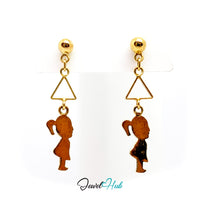
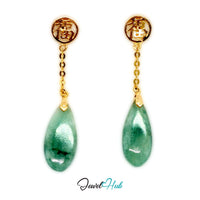
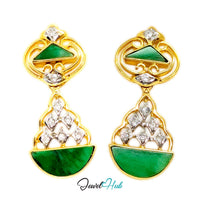
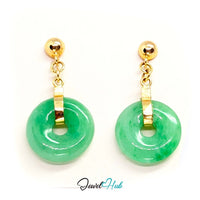
At JewelHub™: JewelHub's drop earrings are mainly 14K and 18K gold pieces, including natural jade Fu blessing discs, a 7mm pearl on fine chain and jade with diamond accents.
💎 Stones & materials set in
Cubic zirconia (CZ)
What does “Cubic zirconia (CZ)” mean?
A man-made crystal cut to give a bright, diamond-like sparkle.
Cubic zirconia, often shortened to CZ, is a laboratory-made crystal of zirconium dioxide. It is colourless unless tinted with trace elements during growth, very bright, and has strong fire (flashes of rainbow colour), which is why it is the most widely used diamond simulant. It is fairly hard, at around 8 to 8.5 on the Mohs scale, so it wears well in everyday jewellery, though it can dull with scratches and build-up over years. CZ is not a diamond and has a very different value; a clear listing will always say which stone you are buying.
At JewelHub™: JewelHub uses CZ for halos and accents on 925 silver and plated copper and zinc alloy rings, and states plainly in listings such as its natural aquamarine and amethyst rings that the halo stones are CZ, not diamonds.
Crystal
What does “Crystal” mean?
Cut glass or clear stones used to add sparkle to jewellery.
In fashion jewellery, 'crystal' usually means high-quality cut glass, sometimes with a reflective coating, faceted to catch the light. It gives bright sparkle and strong colour at an accessible price, though it is softer than gemstones and can scratch or cloud over time. The word is also used loosely for clear quartz, known as rock crystal, so it is worth reading the materials section to see which is meant. Keep crystal pieces away from hard knocks and harsh cleaners, and wipe them with a soft cloth to restore their shine.
At JewelHub™: JewelHub uses crystal for sparkle across stainless steel Italian link charms, zinc alloy charm bracelets and rings, and 925 sterling silver studs such as Crystal Bloom.
Rhinestone
What does “Rhinestone” mean?
A small, sparkly imitation stone, usually glass, set for glitter.
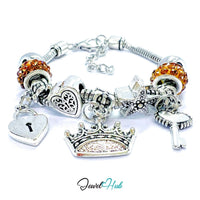
A rhinestone is an imitation gem, usually made of glass, acrylic or resin, cut with facets and often foil-backed so it reflects light strongly. Rhinestones are typically small and used in clusters, halos or pavé-style rows to add glitter to fashion jewellery at a low cost. Because many are glued rather than claw-set, avoid soaking rhinestone pieces in water and dry them promptly; wiping gently with a soft, dry cloth keeps the backing from dulling. They are decorative stones, not gemstones.
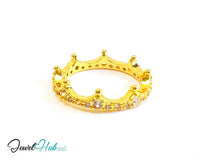
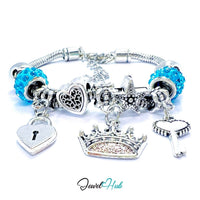
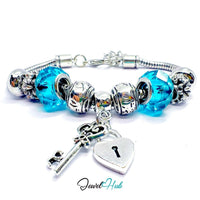
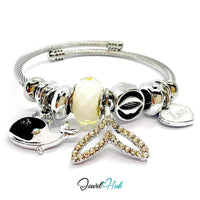
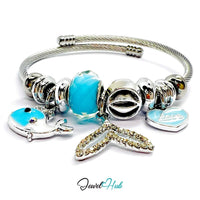
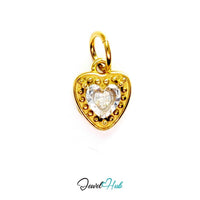
At JewelHub™: JewelHub describes its sparkle crystal beads on zinc alloy crown key lock charm bracelets as rhinestone-style imitation beads, and uses halos of clear rhinestones on stainless steel Italian link charms.
Shell
What does “Shell” mean?
Natural seashell or mother-of-pearl, or shell-shaped motifs.
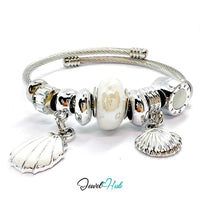
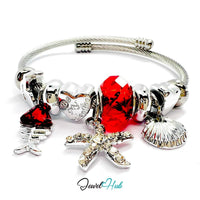
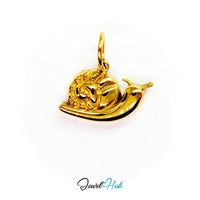
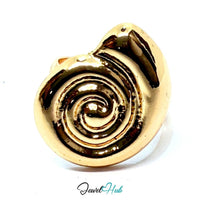
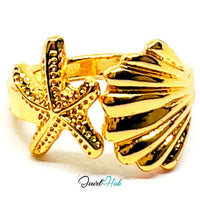
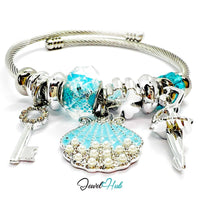
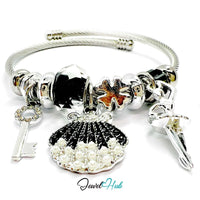
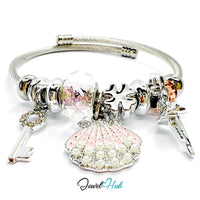
In jewellery, 'shell' can mean two things. The first is natural shell material, such as mother-of-pearl, the iridescent inner layer of certain molluscs, cut into inlays, beads or carved pieces. The second is a shell motif: scallops and spirals cast in metal, enamel or resin for a seaside look. Natural shell is fairly soft and sensitive to acids, perfume and long soaking, so wipe it clean and store it separately. Check the materials list to see whether a piece uses real shell or simply a shell design.
At JewelHub™: At JewelHub 'shell' is mostly a motif, from DuoTone™ StarShell stainless steel rings and shell charms to shell resin rings, while its 14K gold mabe pearl earrings use real pearl formed against a shell.
Pearl
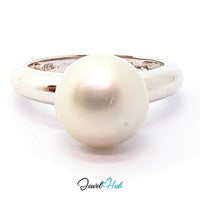
What does “Pearl” mean?
A lustrous gem formed inside a mollusc, natural or cultured.
A pearl forms when a mollusc coats an irritant in layers of nacre, building up the soft glow called lustre. Almost all pearls sold today are cultured, meaning a farmer starts the process, and they may be freshwater or saltwater. Pearls are soft, so they scratch easily and dislike perfume, hairspray and sweat; put them on last, wipe them after wearing and store them apart from harder jewellery. When comparing pearls, look at lustre, surface, shape, size in millimetres and whether the listing says real or faux.
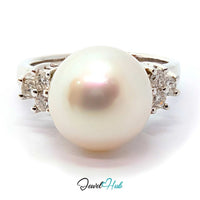
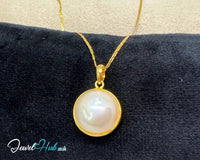
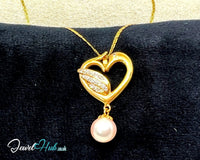
At JewelHub™: JewelHub offers real pearls in 14K gold earrings, including mabe and freshwater styles, a 925 silver natural freshwater pearl bracelet and S925 7mm pearl studs, alongside clearly labelled faux pearls in zinc alloy rings.
Freshwater pearl
What does “Freshwater pearl” mean?
A cultured pearl grown in freshwater mussels in lakes and rivers.
Freshwater pearls are cultured in mussels living in lakes, ponds and rivers rather than in the sea. They come in a wide range of shapes, from round to rice and baroque, and natural colours such as white, peach and lavender. Many are made almost entirely of nacre, which makes them durable for a pearl, and they are generally more affordable than saltwater types such as Akoya. Like all pearls they are soft, so keep them away from perfume and cosmetics and store them separately.
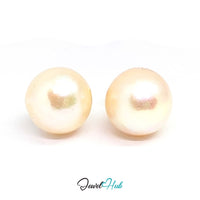
At JewelHub™: JewelHub's freshwater pearls appear in 14K gold pieces such as the 46-pearl hoops and 9mm blush pearl studs, and in a natural freshwater pearl bracelet on 925 silver.
Faux pearl
What does “Faux pearl” mean?
An imitation pearl made from glass, plastic or coated bead.
A faux pearl is an imitation made to look like a pearl, usually a glass, plastic or shell-based bead coated with a pearlescent finish. Faux pearls are uniform in size and colour, light on the budget and easy to match, which suits fashion jewellery. They are not formed by a mollusc and have no nacre, so the coating can wear through with heavy use; avoid perfume, chlorine and abrasive cleaning. A good listing will say 'faux', 'imitation' or 'pearl-effect' rather than simply 'pearl'.
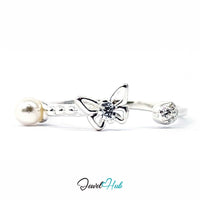
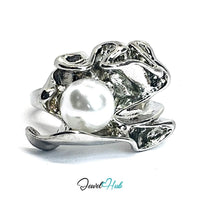
At JewelHub™: JewelHub labels its imitation pearls openly, for example the 925 sterling silver butterfly ring described as a faux pearl, not cultured or freshwater, and zinc alloy pearl-effect rings.
Opal
What does “Opal” mean?
A gem known for shifting flashes of colour called play-of-colour.
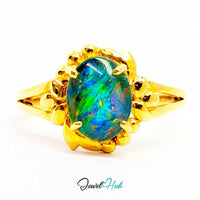
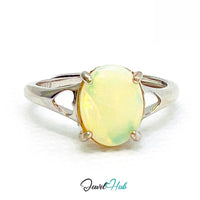
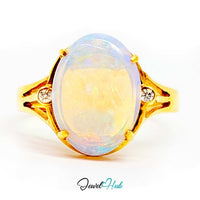
Opal is a gemstone made of tiny silica spheres that diffract light, creating the flickering rainbow 'play-of-colour' that makes each stone unique. Types include white opal, black opal (with a dark body that makes colours vivid) and fire opal. Opal is usually cut as a smooth cabochon. It is relatively soft and contains water, so it can crack with knocks or sudden temperature changes; avoid ultrasonic cleaners and harsh chemicals. Look for clear wording on whether a stone is natural, synthetic or an opal-effect imitation.
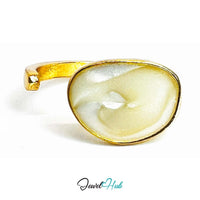
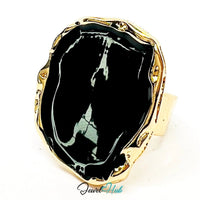
At JewelHub™: JewelHub sets opal cabochons in 18K gold rings, including black opal and four-stone designs, while its Black and White Resin Opal rings use opal-effect resin rather than natural opal.
Jade
What does “Jade” mean?
A tough green or white stone: either jadeite or nephrite.
Jade is the name for two different natural stones, jadeite and nephrite. Both are exceptionally tough because of their interlocking fibrous structure, which is why jade has been carved into bangles, discs and charms for millennia, especially in Chinese tradition, where it is linked with virtue and good fortune. Colours range from apple green to white, lavender and black. Treatments such as dyeing or resin filling are common in the market, so look for listings that state 'natural', 'untreated' or 'Grade A'. Natural jade looks waxy rather than glassy.
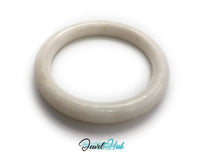
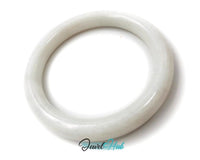
At JewelHub™: JewelHub's jade includes natural, untreated jade in 14K and 18K gold earrings and jadeite rings, plus Grade A white nephrite Hetian bangles.
Turquoise
What does “Turquoise” mean?
A blue-green opaque stone, and a popular colour name.
Turquoise is an opaque, blue-to-green mineral, often marked with dark veining called matrix. It is fairly soft and porous, so much of the turquoise on the market is stabilised with resin or dyed, and many imitations exist. Porosity means it can absorb oils, perfume and cleaning products and change colour, so wipe it gently and keep it dry. In fashion jewellery the word is also used simply as a colour, so check whether a listing means the stone itself or a turquoise shade of resin, crystal or bead.
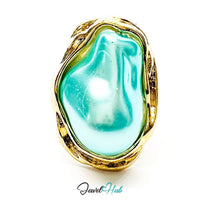
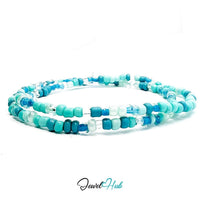
At JewelHub™: At JewelHub turquoise is used as a colour rather than a natural stone, for example in NameBead™ bracelet sets, the Turquoise Marble ring and turquoise crystals and resin.
Onyx
What does “Onyx” mean?
A banded chalcedony; black onyx is a classic polished black stone.
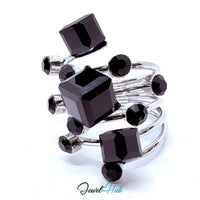
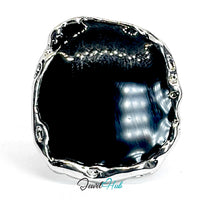
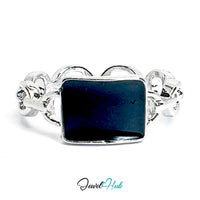
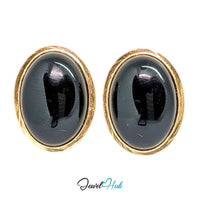
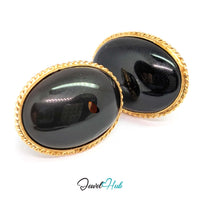
Onyx is a variety of chalcedony, a form of quartz, originally defined by its parallel bands of colour. In jewellery today 'black onyx' means a deep, even black stone with a glossy polish, often cut as a smooth oval cabochon or flat tablet for studs, signet rings and pendants. It is reasonably hard at around 6.5 to 7 on the Mohs scale, so it suits everyday wear. Fashion pieces may use 'synthetic onyx', a man-made black material; reputable listings will make the distinction clear.
At JewelHub™: JewelHub offers black onyx studs and earrings in 14K gold with bezel, rope and claw settings, and states 'synthetic onyx' on its silver-plated zinc alloy statement rings.
Lava stone
What does “Lava stone” mean?
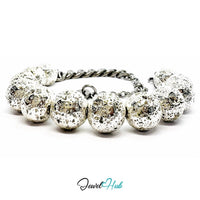
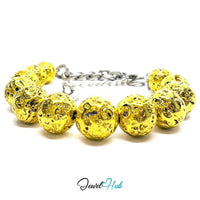
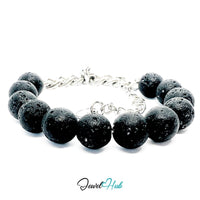
A porous, matte black volcanic rock used in beads and stones.
Lava stone is volcanic rock, usually basalt, formed as molten lava cools. It has a lightweight, matte, cratered texture that gives jewellery a raw, earthy feel, and it is most often seen as round beads in bracelets. Because it is porous, it absorbs liquids, so keep it away from lotions and soap, and let it dry fully if it gets wet. Some people add a drop of essential oil to the stone as a scent diffuser, which is a style choice rather than a feature of the jewellery itself.
At JewelHub™: JewelHub's 316L stainless steel Lava Stone bracelets pair a crater-textured lava stone with a chunky sculptural chain in silvery, gold and black finishes.
Lab-grown / simulated stone
What does “Lab-grown / simulated stone” mean?
Man-made stones: lab-grown copies a gem, simulated only imitates one.
These terms are often confused. A lab-grown (or lab-created, synthetic) stone has the same chemical make-up and crystal structure as the natural gem it copies; a lab-grown diamond is real diamond, just made above ground. A simulated stone, or simulant, only looks like the gem and is a different material, such as cubic zirconia imitating diamond or glass imitating emerald. Both are legitimate choices, but they are priced and valued very differently from natural stones, so look for listings that state clearly which you are buying.
At JewelHub™: JewelHub's plated copper rings use simulated diamonds and CZ, while its 14K and 18K fine pieces state natural stones and, in several diamond listings, 'all natural, never lab-grown'.
Diamond
What does “Diamond” mean?
The hardest natural gem; also a word used loosely for diamond-like sparkle.
A diamond is crystallised carbon and the hardest natural material, prized for its brilliance and fire. Quality is usually described by the four Cs: cut, colour, clarity and carat weight. Small diamonds set in clusters or pavé are called melee and are rarely certified individually. In fashion jewellery, 'diamond' can also appear in phrases like 'diamond-cut' (a faceted metal finish) or 'simulated diamond', which are not diamonds at all. Always check whether a listing says natural, lab-grown or simulated, and the total carat weight.
At JewelHub™: JewelHub's natural diamonds are found in its 14K and 18K gold fine pieces, with stone counts and carat totals stated, while 'diamond-cut' on its silver chains describes a faceted finish.
Sapphire
What does “Sapphire” mean?
A hard corundum gem, famous in blue but found in many colours.
Sapphire is the gem variety of corundum, the same mineral as ruby. Blue is the classic colour, but sapphires also come in pink, yellow, green, white and more; any colour except red is called sapphire. At 9 on the Mohs scale it is tough enough for rings worn every day. Heat treatment to improve colour is widespread and accepted. In fashion jewellery 'sapphire' is also used as a colour name for blue crystals or CZ, so check that a listing says natural sapphire if that is what you want.
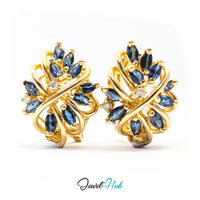
At JewelHub™: JewelHub's natural sapphires are set in 14K and 18K gold earrings and rings, including pink and marquise sapphire styles, while 'sapphire-tone' on zinc alloy and copper rings means coloured simulated stones.
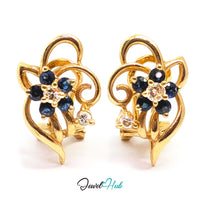
Emerald
What does “Emerald” mean?
A green variety of beryl, and a name for a step cut.
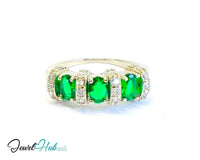
Emerald is the green variety of the mineral beryl, valued for its rich colour. Most emeralds contain natural inclusions, often called 'jardin' (garden), and filling surface-reaching fissures with oil or resin is a long-established practice. Emerald is hard but more brittle than sapphire, so protect it from knocks, and avoid ultrasonic or steam cleaning. The term 'emerald cut' describes a rectangular step cut and can be used for any stone. In fashion pieces 'emerald' is also a colour name for green CZ or crystal.
At JewelHub™: JewelHub sets natural emeralds in 14K and 18K gold rings such as a vintage floral emerald and diamond ring, while its silver-plated copper Emerald Radiance and Emerald Edition rings use simulated green stones.
Ruby
What does “Ruby” mean?
The red variety of corundum, one of the classic precious gems.
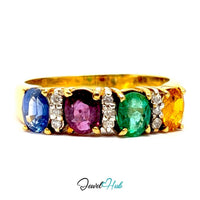
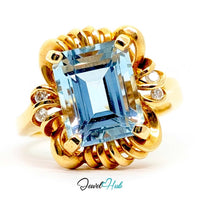
Ruby is red corundum, the same mineral as sapphire, coloured by traces of chromium. It ranks 9 on the Mohs scale, second only to diamond, so it is well suited to rings and everyday pieces. The most prized rubies show a strong, pure red, and heat treatment is common and generally accepted. Prices vary hugely with colour, clarity and origin. In fashion jewellery 'ruby' is also used for red CZ or crystal, so look for the word 'natural' and a stated carat weight when buying a genuine stone.
At JewelHub™: JewelHub's natural rubies appear in 14K and 18K gold earrings and rings and in a 925 sterling silver natural ruby ring, while its 'Ruby Edition' plated copper rings use simulated red stones.
🔨 Finishes & making
High polish
What does “High polish” mean?
A mirror-bright finish buffed until the metal reflects like glass.
High polish is the brightest finish metal can take. The surface is buffed in stages with progressively finer compounds until it reflects light like a mirror, with no visible grain. It makes gold look richer, silver crisper and steel sleek. The trade-off is that a mirror surface shows fingerprints and fine scratches more readily than a brushed or matte one, especially on rings and bracelets that meet desks and door handles. A quick wipe with a soft dry cloth brings the shine back, and storing pieces separately stops harder items scratching them.
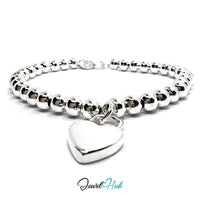
At JewelHub™: High-polish finishes run across the range, from mirror-finished 14K and 18K gold rings to high-polish stainless steel aromatherapy pendants and 925 silver chain bracelets.
Matte
What does “Matte” mean?
A flat, non-reflective finish with a soft, understated look.
A matte finish removes the shine from metal, leaving a flat, velvety surface that diffuses light rather than reflecting it. It is created by bead blasting, sanding or chemical treatment, and gives jewellery a modern, quiet or industrial feel. Matte surfaces hide fingerprints well, and they look striking next to polished details on the same piece. Because the finish is a fine texture, rubbing hard or using an abrasive polishing cloth can bring a shine back in patches, so wipe matte pieces gently with a soft cloth instead.
At JewelHub™: Matte finishes appear on JewelHub™ pieces such as the matte silver-finish punk zinc alloy rings and rose gold matte stainless steel Italian charm bracelets.
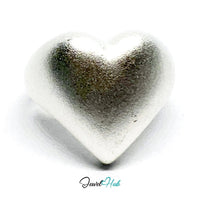
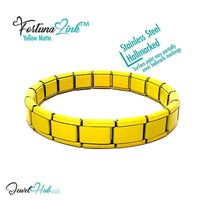
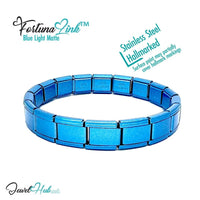
Brushed
What does “Brushed” mean?
Fine parallel lines brushed into metal for a soft, directional sheen.
A brushed finish is made by drawing an abrasive pad or wire brush across the metal in one direction, leaving fine parallel lines. The result sits between matte and polished: it still catches light, but softly and along the grain. Brushed metal has a modern, slightly industrial character and is forgiving in daily wear, because small scratches blend into the existing lines. Clean it with a soft cloth, wiping along the direction of the grain, and avoid aggressive polishing, which can smooth the lines away and leave shiny patches.
At JewelHub™: JewelHub™ sells brushed finishes on silver-plated zinc alloy punk rings and on 925 sterling silver pieces such as the Twisted Brushed Band Ring.
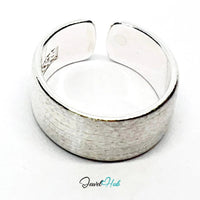
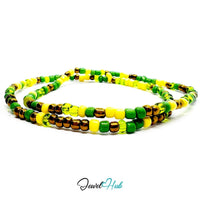
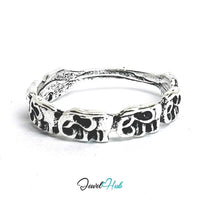
Satin finish
What does “Satin finish” mean?
A soft, low-sheen finish halfway between matte and polished.
A satin finish gives metal a soft glow rather than a mirror shine. The surface is lightly abraded so it diffuses light evenly, looking smooth and silky rather than flat. It is often used on wide bands and sculptural shapes, where a mirror finish would show every mark, and it makes a calm backdrop for set stones. Satin surfaces disguise light scuffs well. Clean them with a soft cloth or warm soapy water; avoid harsh polishing, which can create uneven bright spots.
At JewelHub™: Satin finishes feature on JewelHub™ 925 silver rings such as the Puff Heart and Wavy Sculptural designs, and on the plain shank of some 14K gold rings.
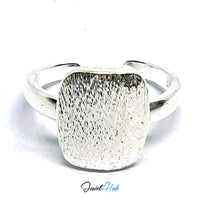
Hammered
What does “Hammered” mean?
A dimpled surface that mimics metal shaped by hand with a hammer.
A hammered finish covers the metal in small dents or facets, the look of metal worked by hand with a hammer. Each dimple catches light at a slightly different angle, so the piece glints as it moves. Today the effect is often cast into the design rather than struck by hand, which keeps the price accessible while giving an artisan, organic feel. Hammered textures are practical too: everyday scratches are much less noticeable than on a smooth mirror finish. Clean with a soft brush and warm soapy water to lift dirt from the dimples.
At JewelHub™: JewelHub™ hammered pieces include the Molten Hammered zinc alloy band, scalloped gold-plated zinc rings and the 925 silver Propeller Petal Ring.
Textured
What does “Textured” mean?
Any surface with a pattern, grain or relief you can see and feel.
Textured describes any surface that is not smooth: hammered, ridged, woven, ribbed, sandblasted, engraved or carved. Texture adds depth and character without stones, plays well against polished pieces in a stack, and tends to hide light everyday scratches. The main care point is that grooves collect dirt, lotion and soap, so give textured pieces an occasional clean with a soft brush and warm soapy water, then dry them thoroughly. On plated pieces, keep brushing gentle so the plating on raised edges is not worn.
At JewelHub™: Textured finishes are widespread at JewelHub™, especially across stainless steel and zinc alloy rings, with sculptural textured 925 silver designs too.
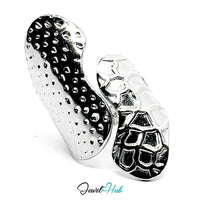
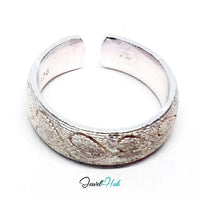
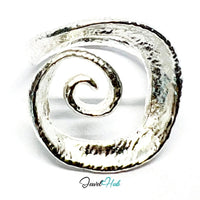
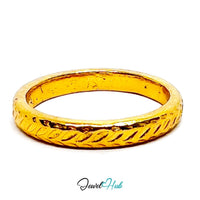
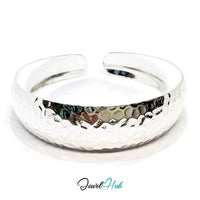
Engraved
What does “Engraved” mean?
Lines, letters or patterns cut or pressed into the metal surface.
Engraved means a design has been cut, carved or pressed into the surface of the metal: letters, symbols, scrollwork or patterns. Traditional engraving is done by hand with a sharp tool called a graver; today much engraving is cast into the design or applied by machine or laser. Engraving adds meaning as well as decoration, from initials and dates to lucky characters. Because the lines are recessed, they can trap dirt; a soft brush and warm soapy water keeps them crisp and legible.
At JewelHub™: JewelHub™ engraved pieces include 14K gold bracelets with segments engraved with Chinese characters such as 福 (blessing) and 壽 (longevity), plus many engraved-style stainless steel and zinc alloy designs.
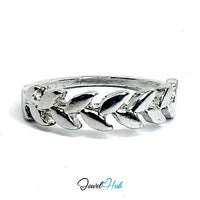
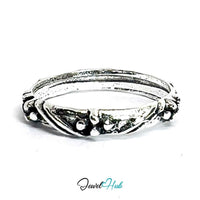
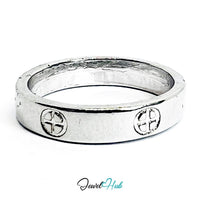
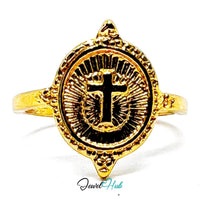
Filigree
What does “Filigree” mean?
Delicate lace-like metalwork made from fine twisted wire or open patterns.
Filigree is ornate, lace-like metalwork. Traditionally it is made by twisting fine threads of metal and soldering them into curls and scrolls; many modern pieces reproduce the look through casting, which keeps the open, airy pattern at a lower price. Filigree gives jewellery a vintage, romantic character, and because so much of the surface is open space, it looks larger than it weighs. The fine detail can catch on knitwear and trap dirt, so store filigree separately and clean it with a soft brush rather than rubbing hard.
At JewelHub™: JewelHub™ filigree designs include the Victorian Filigree Scroll zinc alloy ring, a vintage filigree 925 silver amethyst ring and an 18K gold jadeite ring with white gold filigree shoulders.
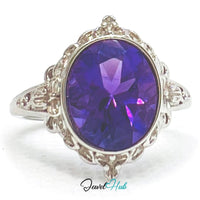
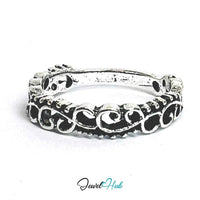
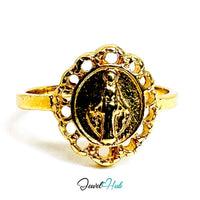
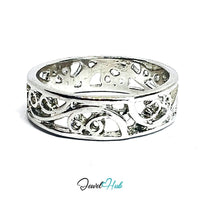
Cut-out
What does “Cut-out” mean?
Shapes cut through the metal to create open spaces in the design.
A cut-out design has shapes removed from the metal, so you see skin or light through the piece. Cut-outs can be geometric, like squares and circles, or pictorial, like an anchor or leaf. They make a piece feel light and graphic, and let larger designs stay comfortable to wear. On aromatherapy pendants, cut-outs also let scent from the diffuser pad through. Cut-out edges should feel smooth; clean around them with a soft brush, and take care with fine openings that could catch on fabric.
At JewelHub™: JewelHub™ cut-out pieces include high-polish stainless steel aromatherapy pendants such as the Anchor Spirit design, GeoLink zinc alloy rings and the 925 silver Lunar Link Ring.
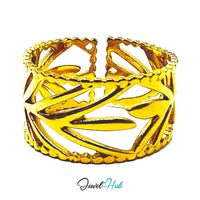
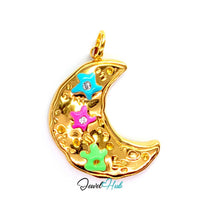
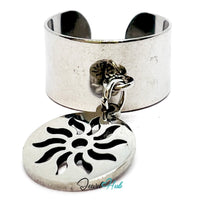
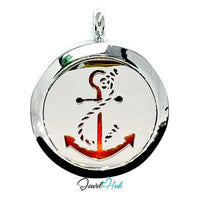
Diamond-cut
What does “Diamond-cut” mean?
Tiny facets cut into metal so it sparkles like gemstones, without any stones.
Diamond-cut describes metal that has been faceted with a diamond-tipped cutting tool. The tiny flat cuts act like little mirrors, so chains, beads and edges sparkle as they move, giving a gem-like glitter with no stones at all. The name refers to the tool, not to any diamonds in the piece. Diamond-cut chains are popular for everyday wear because they look bright even when very fine. To keep the facets crisp, wipe with a soft silver cloth and avoid harsh abrasives that could round off the edges.
At JewelHub™: JewelHub™ diamond-cut pieces include the 925 Sterling Silver Diamond-Cut Chain Bracelet, the SilverFlake Strand chain and diamond-cut beading on the Noble Leaf silver pendant.
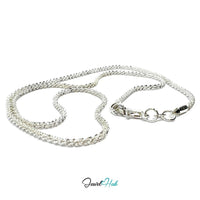
🫧 Wear & care
Hypoallergenic
What does “Hypoallergenic” mean?
Lower risk of skin reactions; suits many, though not all, sensitive skins.
Hypoallergenic means a material is less likely to cause a skin reaction; it does not mean reactions are impossible. In jewellery the main culprit is usually nickel, so metals that contain little or no nickel, or release very little of it, are considered lower risk. 316L stainless steel, sterling silver and solid yellow or rose gold are common choices for sensitive skin; some white gold alloys contain nickel. Plated pieces depend on both the plating and the base metal underneath, which may show through as plating wears. If you know you react to a particular metal, check the material listed on each product before buying.
At JewelHub™: JewelHub™ describes its stainless steel, 925 sterling silver and solid 14K and 18K gold pieces as hypoallergenic, suiting many sensitive skins; check each listing's material details if you have a known allergy.
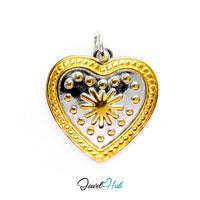
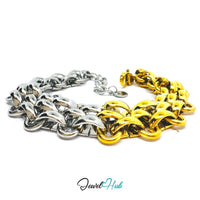
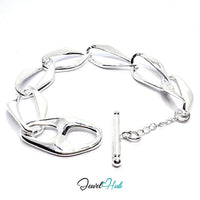
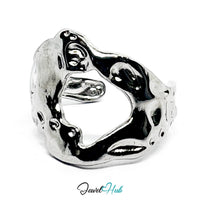
Nickel-free
What does “Nickel-free” mean?
Made without added nickel, the metal most linked to jewellery skin reactions.
Nickel-free means a piece is made without nickel in its alloy. This matters because nickel is a common cause of itchy, red skin where jewellery touches. Note the difference from 'nickel-compliant' or 'nickel-safe': these mean the metal may contain some nickel but releases it below legal limits, which is the usual case for stainless steel. Sterling silver is normally alloyed with copper rather than nickel. If you are very sensitive, look for 'nickel-free' specifically in the product details rather than assuming all metals are the same.
At JewelHub™: At JewelHub™, nickel-free is stated on 925 sterling silver pieces such as the Rolo, Paperclip and SilverDot bracelets, while stainless steel pieces are described as nickel-compliant.
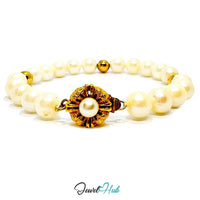
Non-magnetic
What does “Non-magnetic” mean?
Not attracted to a magnet; a quick first check for real silver.
Non-magnetic means a metal is not attracted to a magnet. Silver and gold are both non-magnetic, so the magnet test is a quick first check when buying: if a 'silver' piece pulls strongly towards a magnet, it is likely a base metal. The test only rules things out, though; some non-silver metals are also non-magnetic, so look for a 925 hallmark or stamp too. Clasps and springs may contain steel and show a slight pull even on genuine silver. Stainless steel varies: some grades are non-magnetic, others weakly magnetic.
At JewelHub™: JewelHub™ 925 sterling silver listings include a 'Magnet Test' tip explaining that genuine silver should show no attraction, and many stainless steel pieces are also described as non-magnetic.
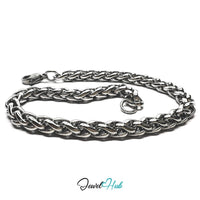
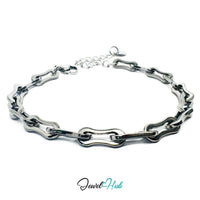
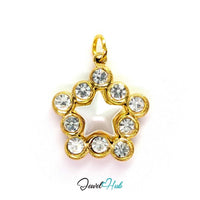
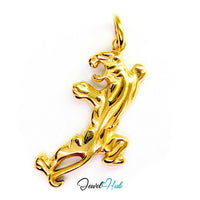
Waterproof
What does “Waterproof” mean?
Resists everyday water and sweat; still best removed for swimming.
In fashion jewellery, waterproof usually means the metal is very unlikely to rust, tarnish or discolour from everyday splashes, hand washing, rain or sweat. Stainless steel, especially 316L, is the classic example. It does not mean the piece is designed for long soaks: chlorinated pool water, salt water, hot tubs and harsh cleaning products can still dull finishes, wear plating and weaken glued stones or charms. For the longest life, take jewellery off before swimming, rinse in fresh water if it gets wet, and dry it with a soft cloth.
At JewelHub™: JewelHub™ describes its stainless steel pieces, such as DuoTone™ rings and 316L chain bracelets, as waterproof and tarnish-resistant for everyday wear; see JewelCare™ at /pages/jewelcare for swimming and cleaning advice.
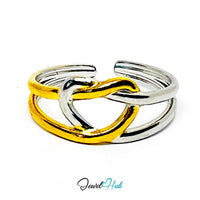
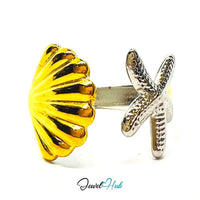
Sweat resistance
What does “Sweat resistance” mean?
How perspiration affects jewellery, and which metals cope best.
Sweat contains salt, moisture and natural acids, which can affect jewellery over time. On sterling silver it speeds up tarnish; on plated pieces it can gradually wear the coating; and on pearls and soft stones it dulls the surface. Stainless steel and solid gold cope best with daily sweat. Simple habits help: take jewellery off for the gym or heavy exercise, wipe pieces with a soft cloth after wearing, and let them dry fully before storing. Sweat combined with perfume or lotion is harder on jewellery than either alone.
At JewelHub™: JewelHub™ care notes advise wiping silver and pearl pieces after wear because sweat, perfume and skincare dull them; full advice is in JewelCare™ at /pages/jewelcare.
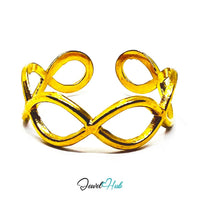
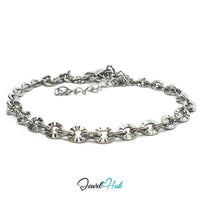
Patina
What does “Patina” mean?
A soft surface tone that metals like silver develop naturally with age.
Patina is the gentle change in colour and lustre that metal develops over time. On sterling silver it appears as a soft grey or golden tone, caused mainly by silver reacting with sulphur compounds in air, moisture and sweat, helped along by the copper in the alloy. Some people love patina for its vintage character, and it can highlight texture and engraving. If you prefer a bright finish, a silver polishing cloth removes it easily, and storing silver in a sealed pouch slows it down. A soft grey patina is normal on real silver; green marks usually point to a copper-heavy base metal.
At JewelHub™: JewelHub™ 925 silver listings explain that a soft grey or golden patina is a natural sign of genuine sterling silver and is easily polished away; see JewelCare™ at /pages/jewelcare.