JewelWhy™ TV --- 1,000 Jewellery Questions Answered

Stainless Steel Jewellery: The Metal That Refused to Break

Unlike gold and silver, stainless steel was born in the industrial age. Designed to resist rust, water, sweat, and daily wear, it quickly became one of the most reliable materials in modern jewellery. Durable, affordable, and low maintenance, stainless steel changed what everyday jewellery could be. Discover why this resilient metal became a symbol of trust, strength, and practical elegance in contemporary jewellery design.
Read more

The Moon Symbol Meaning | Why Humans Wear Lunar Symbols

Long before calendars and clocks, humans watched the moon to understand the passage of time. Its changing phases became one of the earliest visible examples of cycles, teaching people that disappearance could be followed by return and that change did not mean loss. Across cultures, the moon became a powerful symbol of transformation, intuition, emotional growth, and continuity. Discover why the crescent moon remains one of the world’s most meaningful jewellery symbols.
Read more

Why Modular Jewellery Is the Future | Flexible Jewellery Systems

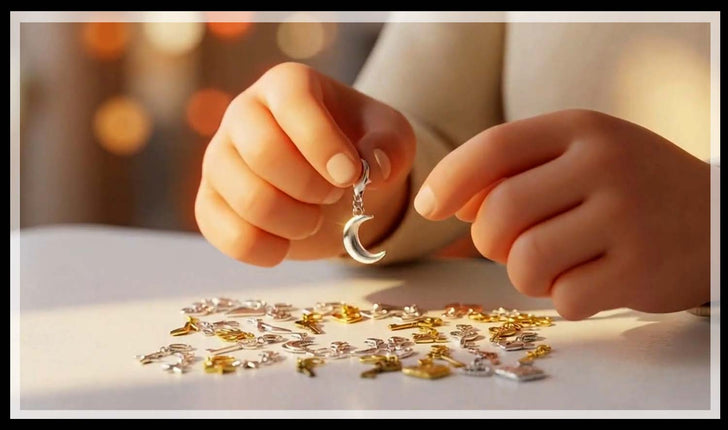
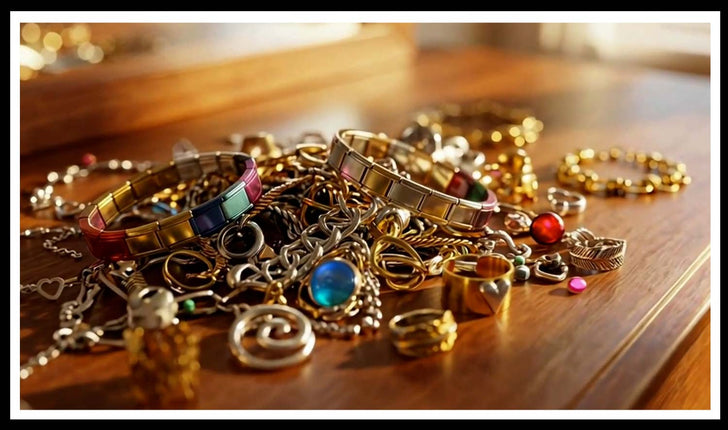
Traditional jewellery stays the same, but people do not. As identities, styles, and life experiences evolve, modular jewellery offers a flexible alternative to fixed designs. By allowing charms, links, colours, and personal symbols to be added, removed, or changed over time, modular jewellery transforms accessories into living systems of self-expression. Discover why adaptability, sustainability, and personal meaning are shaping the future of jewellery design.
Read more

Why Bracelets Became Symbols of Bonding | The Psychology of Connection

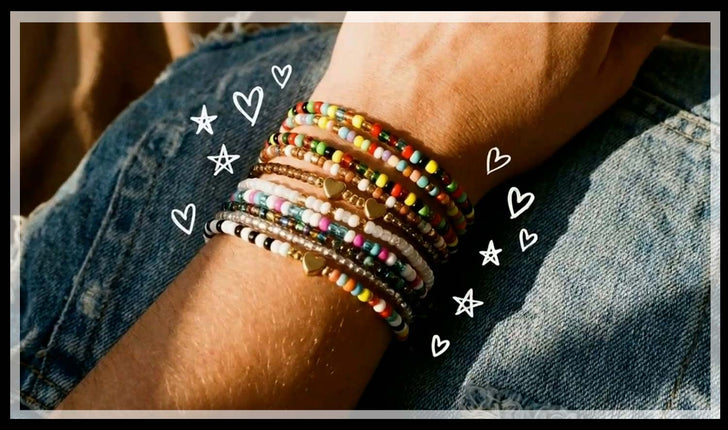
From ancient warriors and families to modern friendships and relationships, bracelets have long symbolised connection and belonging. Worn on the wrist—the most visible and expressive part of the body—matching bracelets create powerful reminders of shared identity and emotional bonds. Discover why bracelets became one of humanity’s most enduring symbols of loyalty, recognition, and togetherness.
Read more

Why Small Objects Hold Big Emotions | Psychology of Jewellery

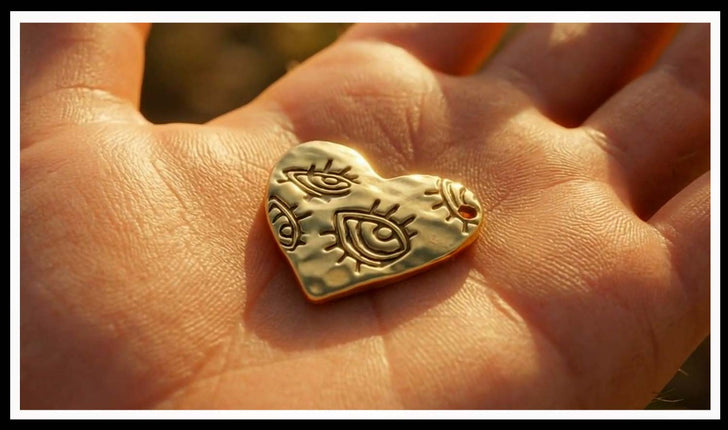
How can a tiny ring, bracelet, or pendant carry so much meaning? Psychology suggests that small personal objects often become emotional anchors, helping us remember who we are, process feelings, and stay connected to important memories. Discover why intimate jewellery pieces can feel more powerful than larger possessions and how small symbols create space for identity, comfort, and emotional storytelling.
Read more

Greek Jewellery: Beauty, Myth and Meaning in Ancient Greece

Ancient Greek jewellery was more than decoration. It was a wearable expression of philosophy, mythology, and personal identity. From laurel wreaths and olive leaves to symbols inspired by Aphrodite, Apollo, Athena, and Zeus, Greek jewellery reflected a culture that valued harmony, wisdom, and balance. Discover how jewellery became a language of beauty, virtue, and meaning in one of history’s most influential civilisations.
Read more

Silver: The Moon Metal | Why Silver Feels Emotional and Soft

If gold is the sun, silver is the moon. For thousands of years, silver has been associated with reflection, emotion, protection, and quiet strength. Unlike gold’s bold presence, silver offers a softer glow that feels personal and approachable. From ancient beliefs linking silver to the moon and healing to modern jewellery that carries memories, love, and sentiment, silver remains one of the most emotionally connected precious metals. Discover why silver continues to symbolize vulnerability, elegance, and the quiet power of meaningful jewellery.
Read more
The Star Symbol Meaning: The Light We Followed Before Maps

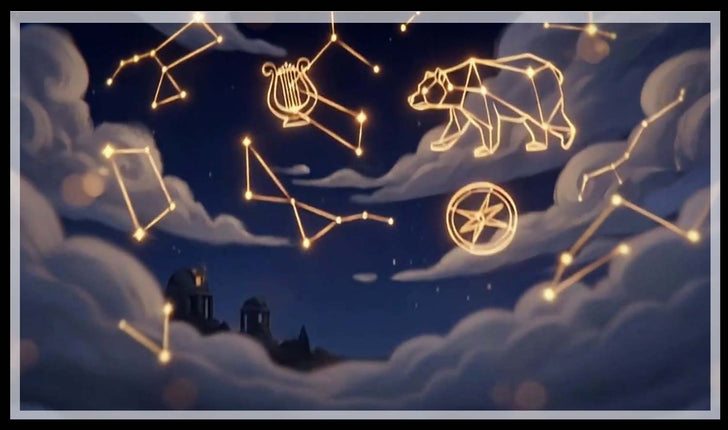
Long before maps, compasses, and modern navigation, humans relied on the stars to find their way. Their steady presence in the night sky transformed them into powerful symbols of guidance, hope, purpose, and destiny. From ancient sailors crossing oceans to myths that linked stars with fate and meaning, the star became far more than a point of light. Discover how one of humanity’s oldest navigational tools evolved into a timeless jewellery symbol representing direction, reassurance, and the journey ahead.
Read more

What Makes Jewellery a System? | Building Meaning Through Structure

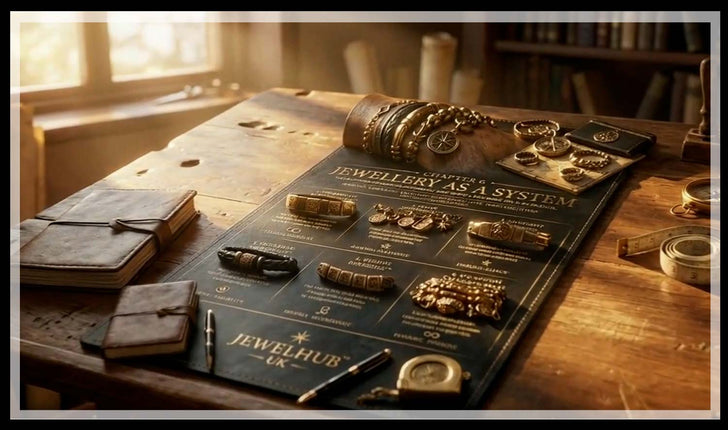
Most people own jewellery collections, but few have a jewellery system. A collection gathers pieces together, while a system gives every piece a purpose. From foundation layers and symbolic charms to contrast elements and identity markers, a jewellery system helps every item work together. Discover how structure transforms jewellery from random accessories into a connected framework of meaning, identity, and personal expression.
Read more

The First Bracelets Humans Ever Wore | Origins of Wrist Jewellery

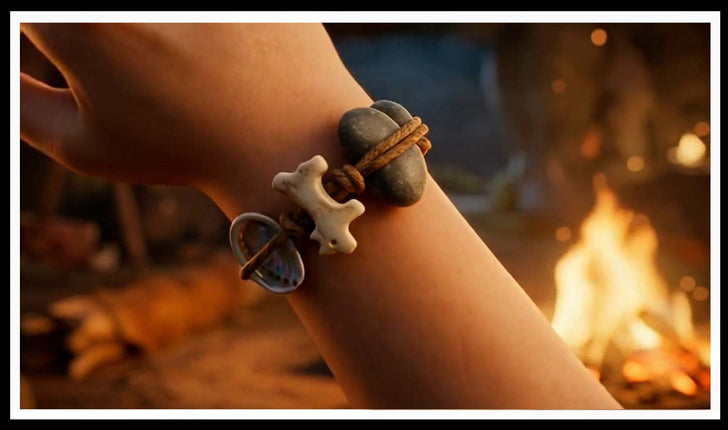
Long before gold, diamonds, and luxury fashion, humans were wearing bracelets made from shells, bones, stones, and fibres. These early wrist adornments carried stories of travel, faith, protection, status, and belonging. From hunter-gatherer societies to ancient Egypt, bracelets served as powerful symbols of identity and personal meaning. Explore the fascinating origins of wrist jewellery and discover why the instinct to wear something meaningful on the wrist has survived for thousands of years.
Read more

Why Humans Wear Meaning Before Beauty | Psychology of Jewellery

Why do people wear jewellery? Psychology suggests the answer goes far beyond beauty. Humans naturally use symbols to express identity, belonging, memory, and personal values. This article explores symbolic self-completion, the emotional power of adornment, and why meaningful jewellery often becomes more treasured than purely decorative pieces. Discover how jewellery connects the mind, emotions, and personal identity through wearable symbols that tell our stories without words.
Read more

The Jewellery System That Makes Styling More Meaningful

Jewellery becomes more powerful when pieces connect. Explore how the JewelHub™ system transforms bracelets, charms, rings, symbols, and materials into a layered ecosystem of identity, storytelling, contrast, and emotional meaning. From FortunaLink™ foundations to MiniCharm™ symbolism and DuoTone™ layering, discover how modular jewellery evolves into a personal system that grows with you over time.
Read more

The History of Bracelets and Wrist Storytelling

The wrist became one of humanity’s earliest storytelling spaces. Across cultures and centuries, bracelets carried identity, ritual, memory, protection, and emotional meaning through shells, beads, metals, and symbols. Discover how ancient wrist jewellery evolved into modern modular storytelling systems through bracelets, charms, and wearable identity.
Read more
The Psychology of Jewellery and Emotional Meaning

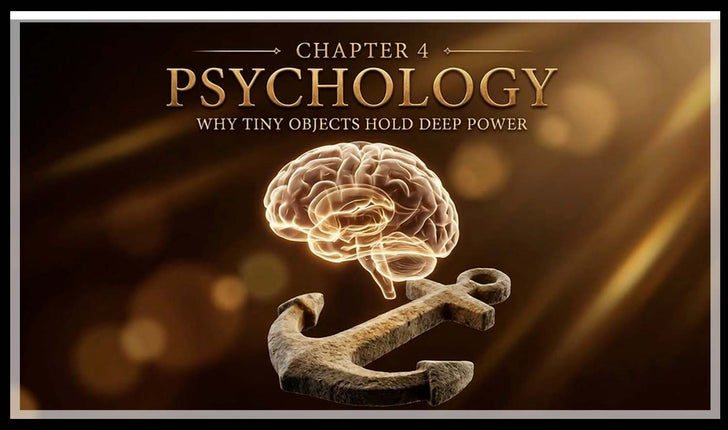
Jewellery is more than decoration. Across history, humans have used symbols, materials, and wearable objects to stabilise identity, express emotion, and carry meaning through everyday life. This visual psychology chapter explores why charms, rings, pendants, and bracelets become emotional anchors — connecting memory, protection, transformation, and personal identity across cultures and generations.
Read more
How Different Cultures Turned Jewellery Into Human Identity

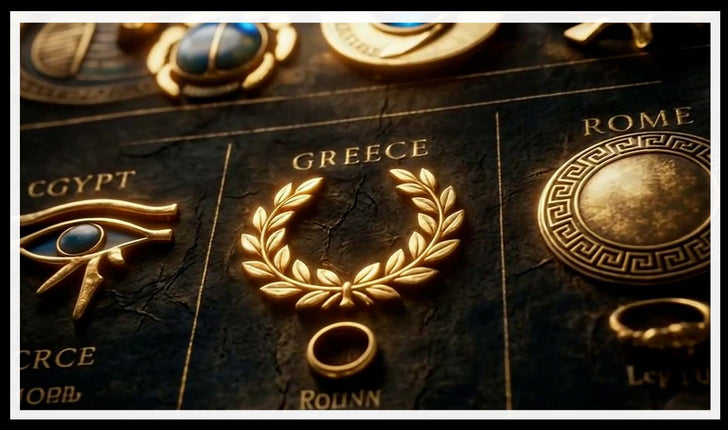
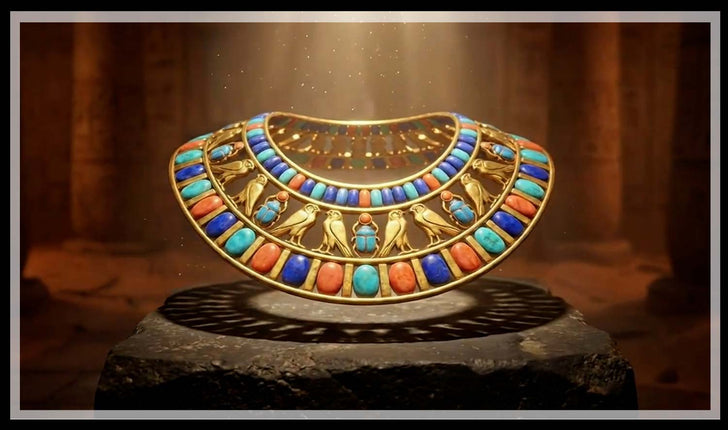
Jewellery has never been just decoration. Across ancient Egypt, Greece, Rome, India, China, Africa, and beyond, cultures transformed symbols and materials into stories of identity, belief, protection, and memory. Discover how jewellery became one of humanity’s oldest and most universal languages.
Read more
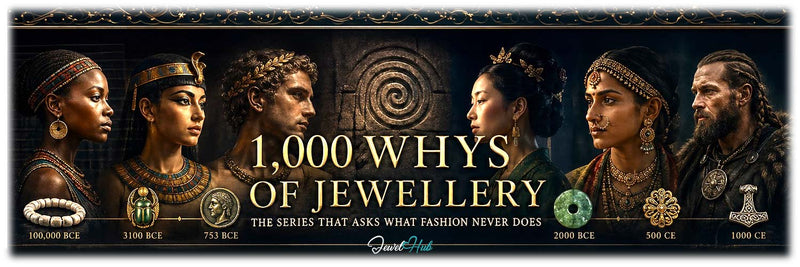
1,000 Whys of Jewellery: The Series That Asks What Fashion Never Does

Before humans built cities, they were already wearing meaning on their bodies. 1,000 Whys of Jewellery is JewelHub UK's 233-video series exploring the hidden logic behind jewellery — the symbols that crossed continents, the materials that shaped civilisations, the psychology that explains why a tiny object can hold an emotion larger than a life.
Read more
You've reached the end of the blog posts