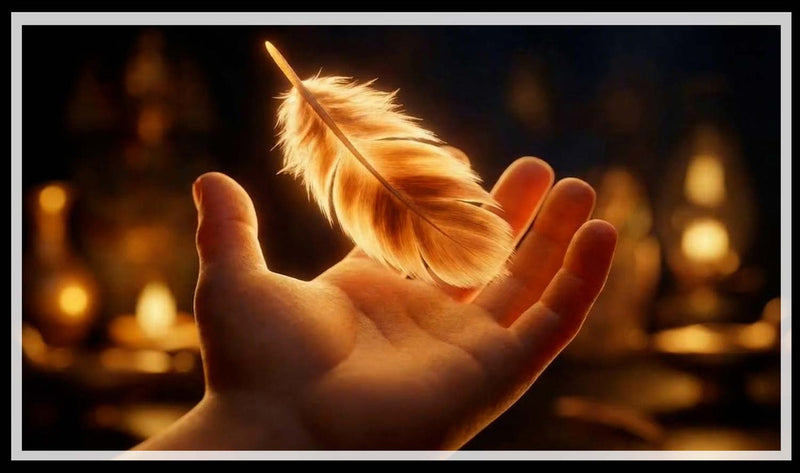
What does a feather symbolise in jewellery? Lightness, freedom and the soul, from ancient Egypt's scales of truth to a MiniCharm feather you can wear today.
Symbols are a language you wear, one charm at a time. Discover what hearts, clovers, stars and keys mean, and how charms and name beads combine into a story that is yours.
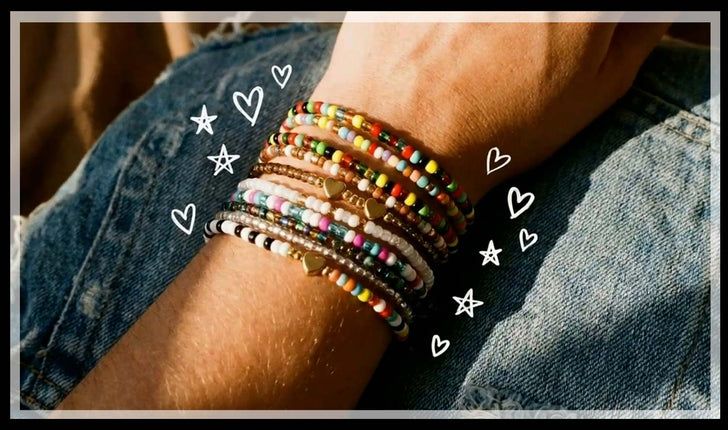
A single bead is a small world, but the pattern is where the meaning lives. Discover how beaded bracelets carried status, story and prayer, and what bead materials mean.
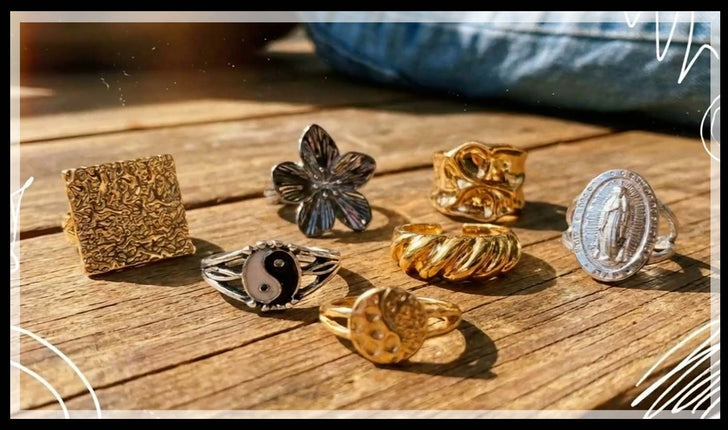
Take your jewellery off and something shifts. Explore why rings, charms and bracelets feel like part of your identity, linking your inner self with how the world sees you.
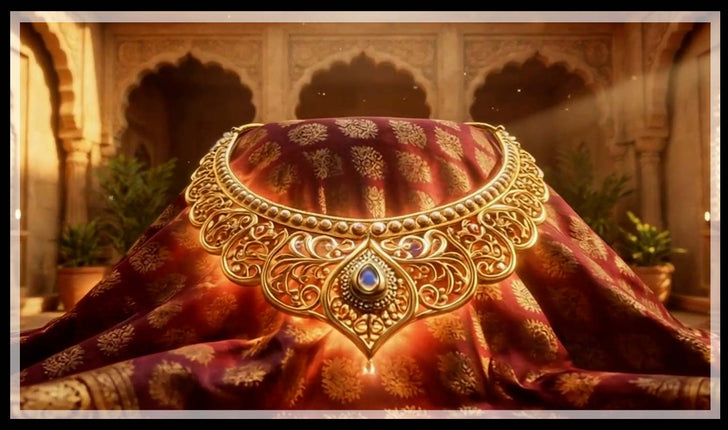
In India, jewellery marks every stage of life. Discover why gold means prosperity, what bangles and anklets symbolise, and how heirloom necklaces carry family memory and love.
Zinc alloy isn't about eternity; it's about right now. Learn what zinc alloy jewellery is, why it suits bold seasonal styles, and why fast jewellery can still mean something.
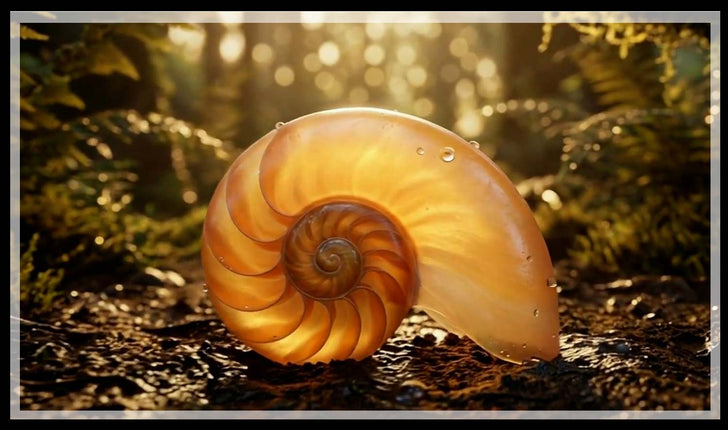
The spiral was discovered, not invented, in shells, ferns and storms. Learn why it became an ancient symbol of growth and becoming, and what it means to wear one today.
A heart in gold feels tender; the same heart in steel feels bold. Discover how jewellery metals change meaning, and how to mix gold, silver and steel with intention.
From Victorian keepsakes to modern modular designs, discover the history of charm bracelets and how each small symbol, a heart, a star or a key, adds a new chapter to the story.
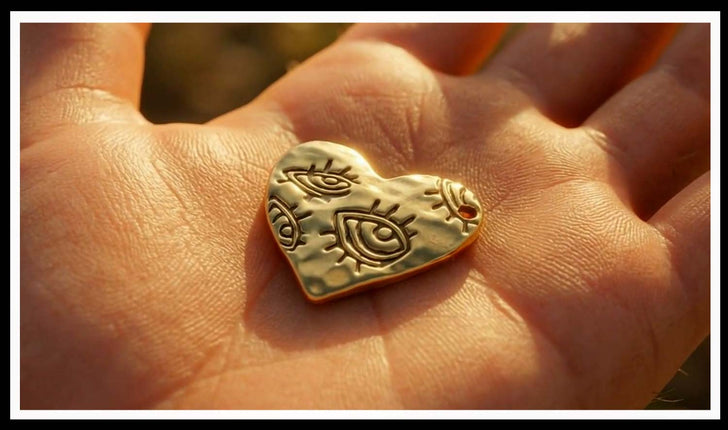
We don't only wear jewellery for decoration; we wear it for shelter. Explore why protective symbols calm the mind and why eyes, knots and shields appear in jewellery worldwide.
In China, every material, colour and motif carried meaning. Discover why jade stood for virtue, what dragons and phoenixes symbolised, and how jewellery became family legacy.
Titanium is ghost-light on the skin yet tough enough for aerospace. Find out why this strong, corrosion-resistant metal suits everyday jewellery and a life in motion.
Before rulers or systems, there was the sun. Discover why early humans turned it into a symbol, how it became Ra in Egypt, and what wearing a sun motif in jewellery means today.
Why do some pieces still matter years later? Learn how meaning-based jewellery works through recognition, association and placement, and why symbols outlast trends.
The chain bracelet began as technology, not fashion. Trace its history from ancient forged links to gold status chains, charm bracelets and modular links you can build on.
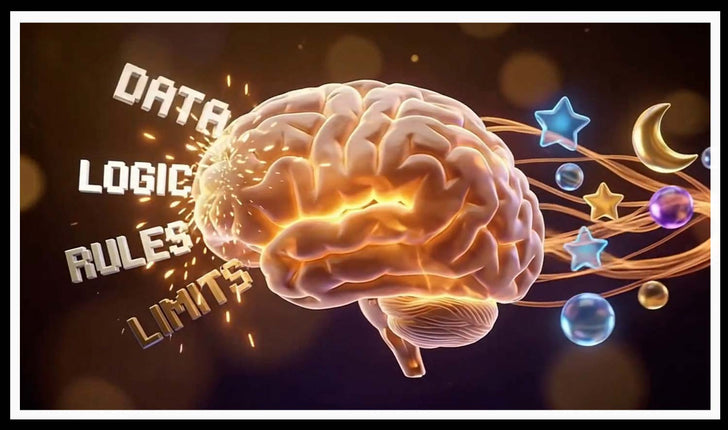
A single shape can say what a paragraph cannot. Explore why the brain trusts symbols, why hearts, stars and moons cross cultures, and why symbolic jewellery feels so true.
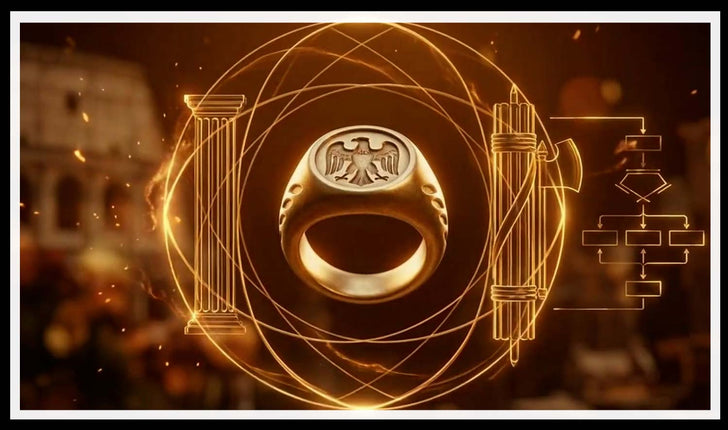
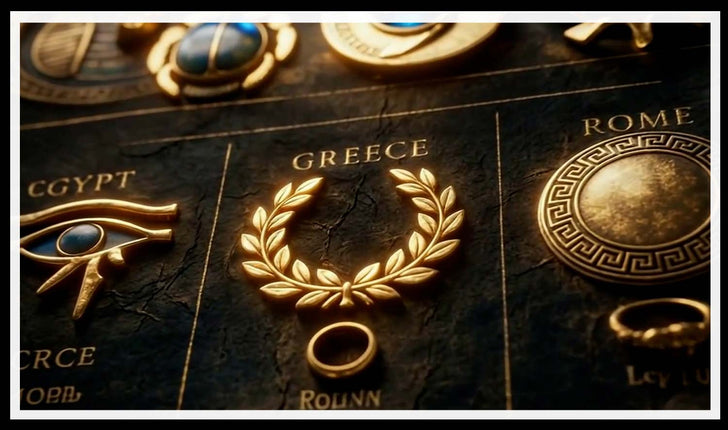
In ancient Rome, jewellery made status visible. Discover how gold signet rings, intaglio seals, imported gemstones and soldiers' arm rings marked rank, citizenship and loyalty.
Built for real life, not display cabinets. Discover how stainless steel moved from industry into jewellery, why it resists rust and water, and why it feels so reliable to wear.
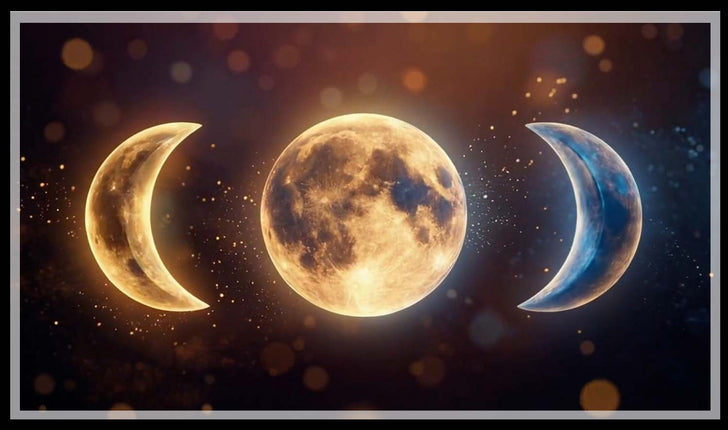
Long before calendars, the moon taught humans how to understand change. Discover what lunar phases symbolise and why the crescent moon remains a favourite in jewellery.
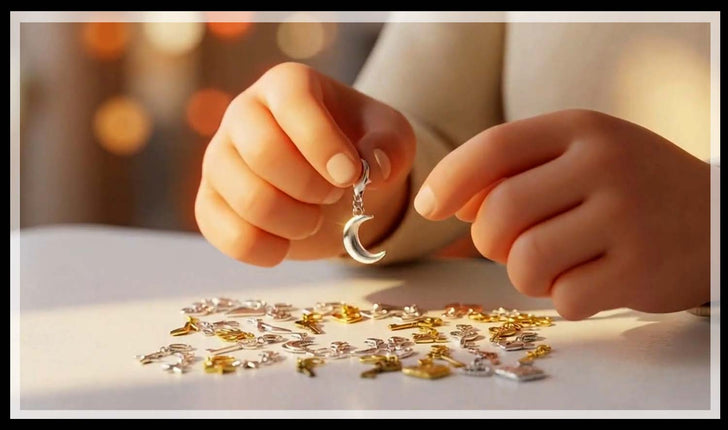
People change, so why should jewellery stay fixed? Learn how modular jewellery, from link bracelets to clip-on charms, adapts to your identity and grows with your story.
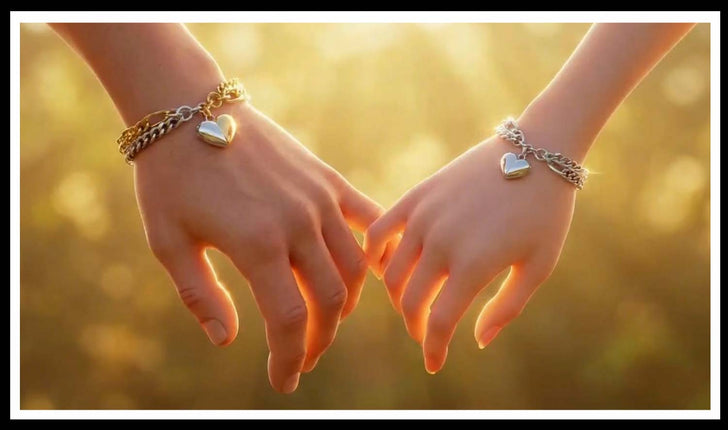
Why do matching bracelets feel so meaningful? Explore the psychology of bonding bracelets, from ancient arm bands to friendship bracelets, and how they make connection visible.
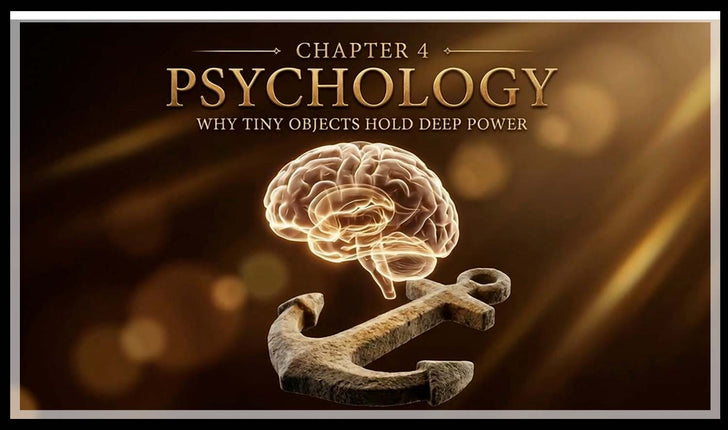
A tiny ring or pendant can mean more than objects a hundred times larger. Explore why small jewellery becomes an emotional anchor, and why scale makes a piece feel so personal.
In ancient Greece, jewellery was philosophy made visible. Discover what laurel wreaths, spirals and the Greek key meant, and how myth and metal shaped every piece.
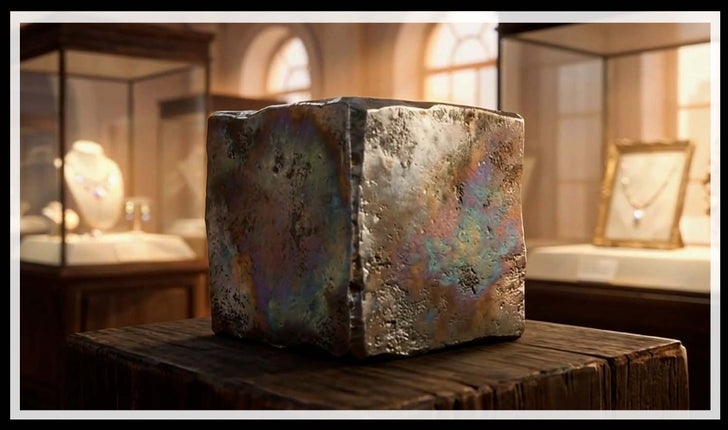
If gold belongs to the sun, silver belongs to the moon. Discover why silver jewellery feels soft and emotional, what it symbolised in ancient traditions and why it tarnishes.
Before maps and compasses, people followed the stars. Discover how the star symbol came to mean guidance, hope and destiny, and why star jewellery still carries that meaning.
Most jewellery collections are random. Learn how a jewellery system gives every piece a role, from foundation chains to charms and name beads, so it all works together.
Long before fashion, bracelets carried identity, protection and belonging. Trace the history of the first bracelets, from shell, bone and stone to the gold cuffs of ancient Egypt.
Why do we really wear jewellery? Psychology suggests identity, memory and emotional connection matter more than looks. Discover why meaning so often comes before beauty.
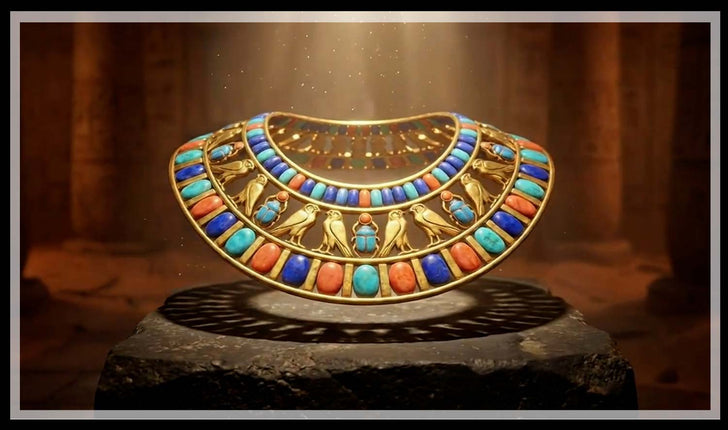
In ancient Egypt, jewellery protected the living and guided the dead. Discover why gold meant eternity and what the ankh, scarab and Eye of Horus symbolised for the wearer.
Gold never rusted or faded, and humans turned that permanence into power. Discover why gold became the metal of gods, rulers and family wealth, and why it still means legacy.
The heart was never meant to look like an organ. Discover how a simple symmetrical shape became the world's most recognised symbol of love, from medieval art to jewellery.
Jewellery feels more meaningful when every piece has a role. See how foundation bracelets, charms, two-tone metals, statement rings and name beads build one connected style system.
From shell and leather bands to Egyptian gold and Indian bangles, discover the history of bracelets and why the wrist has carried identity, ritual and personal stories for millennia.
Why do tiny objects carry such strong feelings? Explore the psychology of jewellery, symbolic self-completion, and how hearts, circles and charms become part of who we are.
From Egyptian gold to Chinese jade and African beads, discover how cultures across history used jewellery to wear their beliefs, status and sense of belonging.
Before jewellery was about beauty, materials carried meaning. Discover how stone, shell, gold, silver, jade and modern metals became the first emotional language of jewellery.
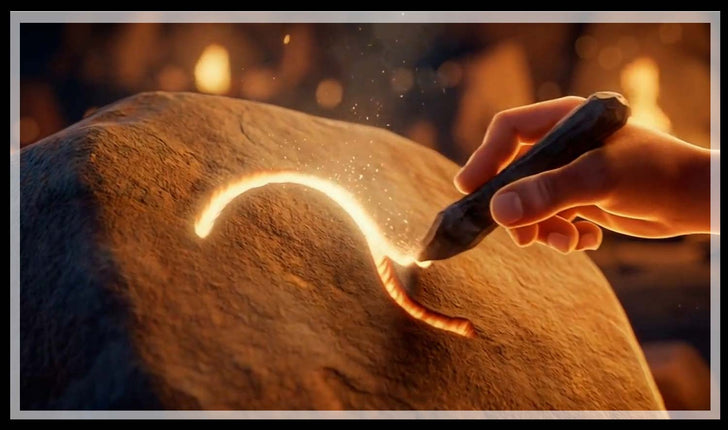
Before writing existed, humans turned feelings into marks, shapes and symbols. Discover how those symbols moved onto the body and why symbolic jewellery still carries meaning today.