Jewellery Materials & Care

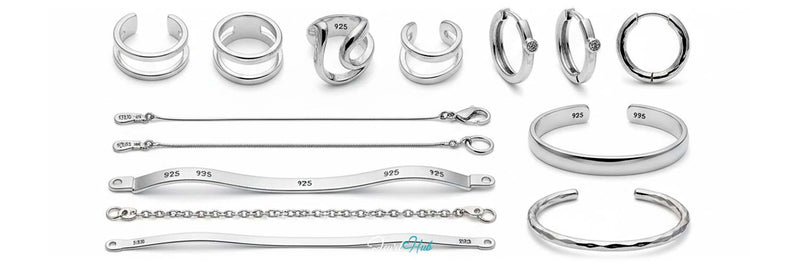
How 925 Silver is Reinventing Modern Fine Jewellery

In the evolving world of fine jewellery, 925 sterling silver is redefining what “everyday luxury” looks like. Combining a high 92.5% silver content with enhanced durability, it delivers the bright, mirror‑like shine traditionally associated with precious metals at a far more accessible price point. As younger, style‑driven shoppers move away from reserving gold for occasional wear, sterling silver has become the go‑to choice for building expressive ring stacks and sculptural statement pieces that transition effortlessly from day to night.
Read more

Does Zinc Alloy Jewellery Tarnish? Nickel, Allergies & Safe Alternatives

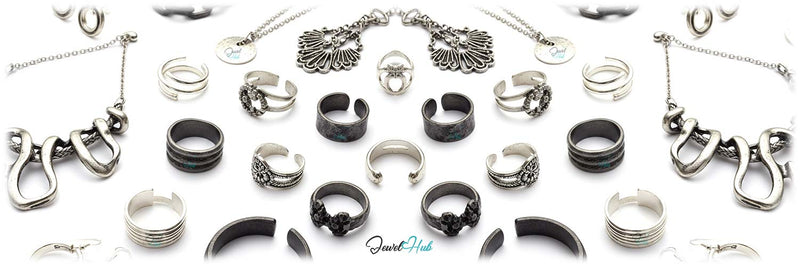
Zinc alloy jewellery makes bold style affordable, but its reactivity and nickel content can lead to tarnish and skin irritation. This scholarly guide explains the science behind zinc alloy, how plating and nickel exposure work, and why hypoallergenic metals like 925 sterling silver, stainless steel, and 14K/18K gold are safer long‑term choices. Explore how JewelHub’s TR system and DuoTone™ stainless steel collections offer transparent, skin‑friendly alternatives.
Read more

Is Magnetic Stainless Steel Jewellery Fake? Grades Explained

Magnetism in stainless steel is one of the most misunderstood topics in jewellery. A magnetic bracelet doesn’t mean it’s fake — it simply reveals which alloy family it belongs to. This guide breaks down 316L, 304, 201 and 430, explains why magnetism varies, and shows you how to test stainless steel confidently.
Read more

Zinc Alloy Jewellery: Is It Safe, Good Quality & Worth Buying?

Zinc alloy is a versatile metal blend used widely in modern jewellery for its light weight, affordability, and ability to capture intricate sculptural detail. While industrial zinc alloys vary in composition, jewellery‑grade blends differ significantly. Since JewelHub™ is built on solid base‑material knowledge, we use strictly nickel‑free zinc‑alloy formulations so sensitive wearers can shop with confidence.
Read more
You've reached the end of the blog posts